
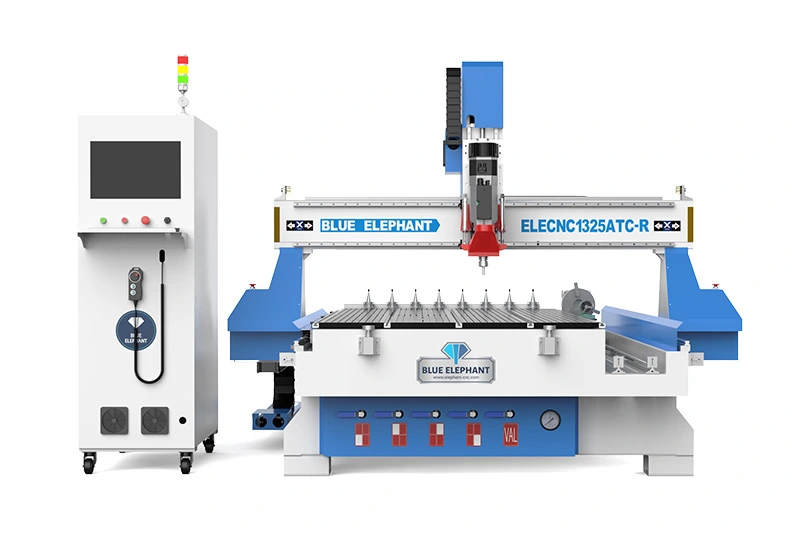
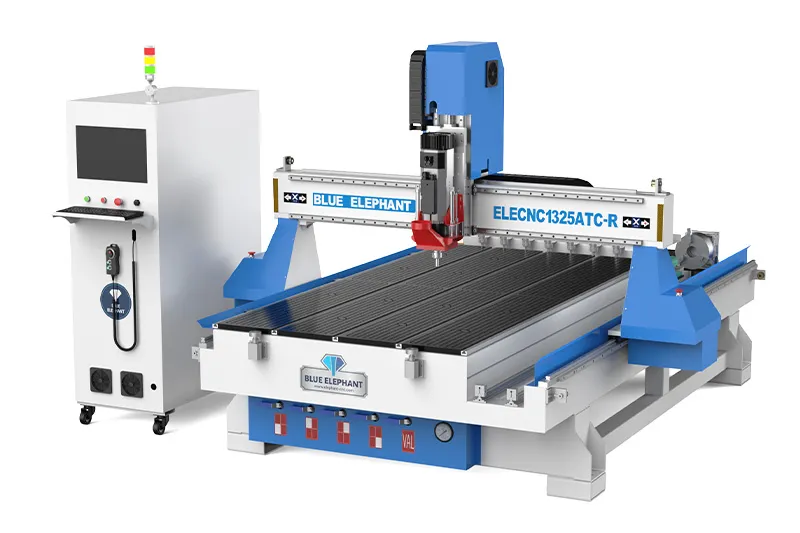
1325 Rotary Axis ATC CNC Router
- Brand : Blue Elephant
- Model : ELECNC-1325 ATC-R
- Standard : CE, ISO9001
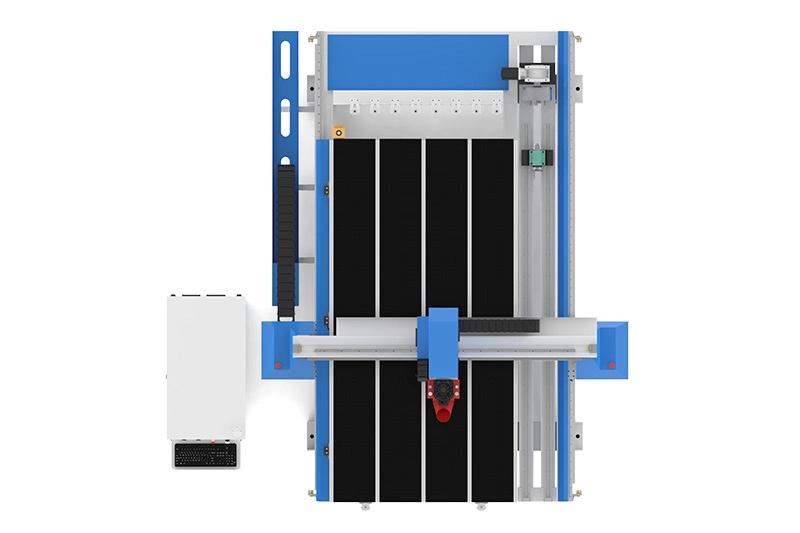
- Table size : 1300mm*2500mm(4′ x 8′)
- Category : Rotary Axis CNC Router
- Supply Ability : 500+ Units in Stock
- After-sale Service : Free Lifetime Technical Support online, Overseas service.
- Payment Terms : Online (T/T, PayPal, Trade Assurance) / Offline (T/T, LC, Credit Cards)
- Warranty : 12 month Limited Warranty for Entire Machine (Extended Warranties Available for Major Parts)
Description
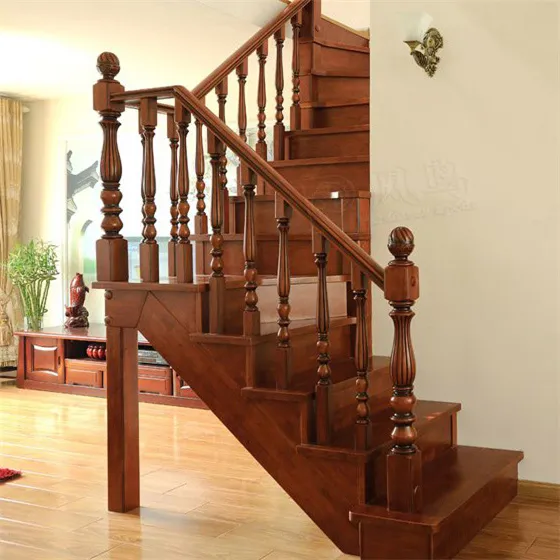
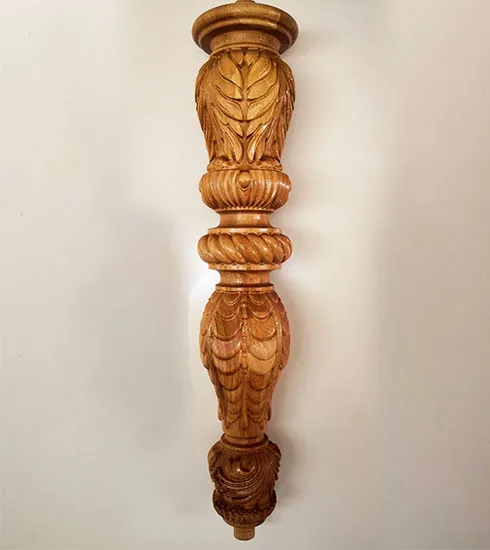
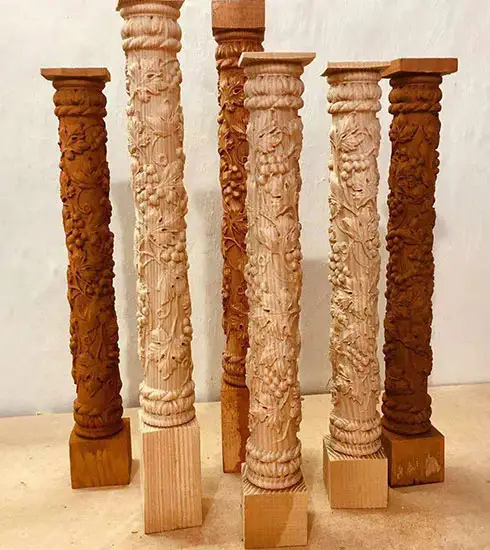
The 1325 ATC CNC router machine with rotary axis is a cost-effective model designed specifically for processing complex workpieces. It can process not only flat workpieces but also cylindrical ones, such as stair handrails, table and chair legs, and Roman columns. Therefore, it is very popular among both domestic and international customers.
Features
- Designed with rotary device, it can process the cylinder wood carving patterns, furniture legs, escalators, etc.
- With the heavy duty thicker and bigger welded steel tube frame, it makes the machine work more stably.
- The LNCMW2200 controller comes with a mouse, keyboard, and handwheel for easy machine operation.
- It uses the well-known Chinese brand Leadshine 1.5kW servo motor and driver, delivering more powerful performance.
- All accessories and parameters can be selected and customized according to the user’s processing requirements.
Parameters
| Model | ELECNC-1325 ATC-R |
| X,Y axis travel | 1300x2500mm |
| Z axis travel | 200mm |
| Rotary device | 200mm rotary device |
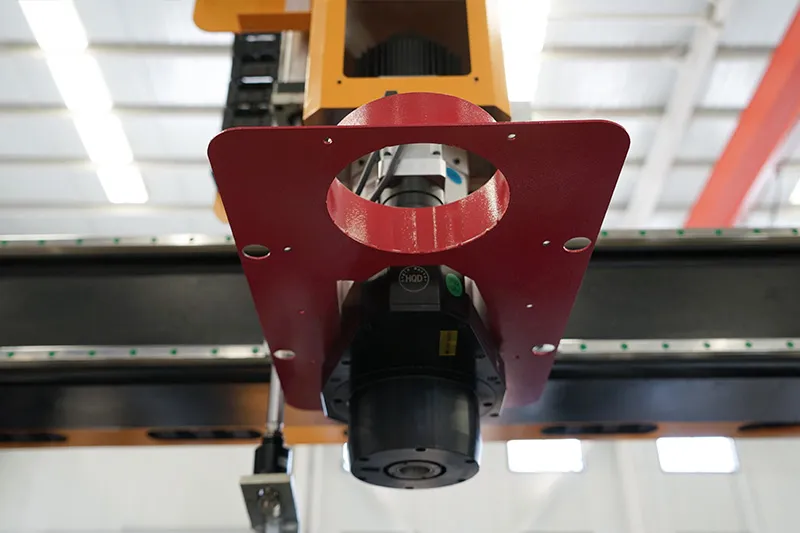
| Spindle type | 9kw HQD air cooling ATC spindle |
| Control system | LNCMW2200 4 axis |
| Driving system | Leadshine 1.5kw servo motor and servo driver |
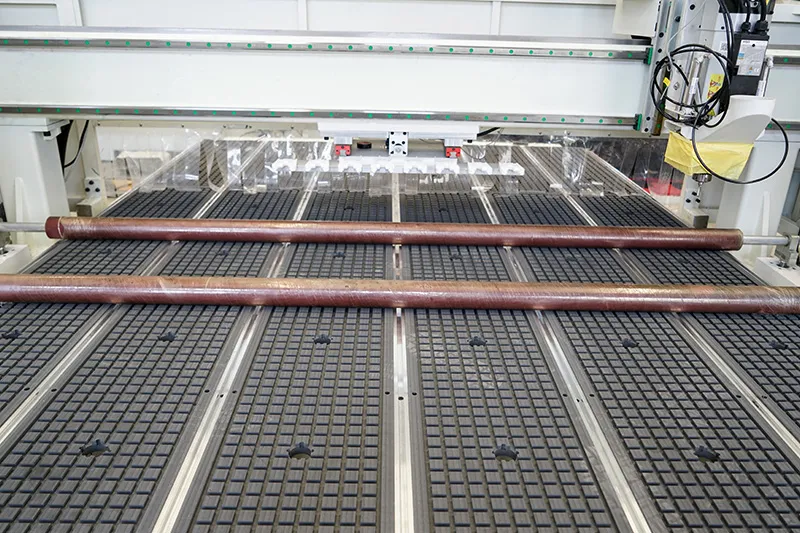
| Work table | T-Slot & vacuum table |
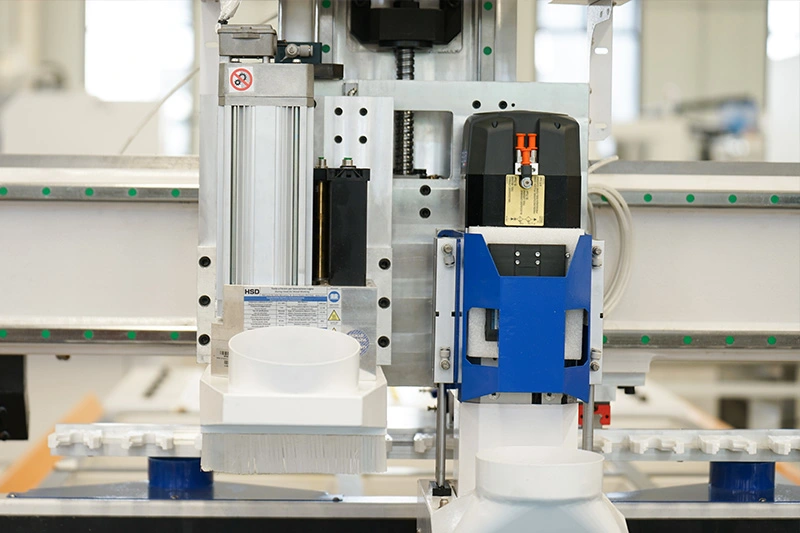
| Tool magazine | Linear tool changer 8pcs |
| Tool calibration | Auto tool sensor calibration |
| Lubrication system | 1.5L auto lubrication system |
| Working voltage | 220V 1PH/3PH 50HZ/60HZ |
| 380V 3PH 50HZ/ 60HZ |
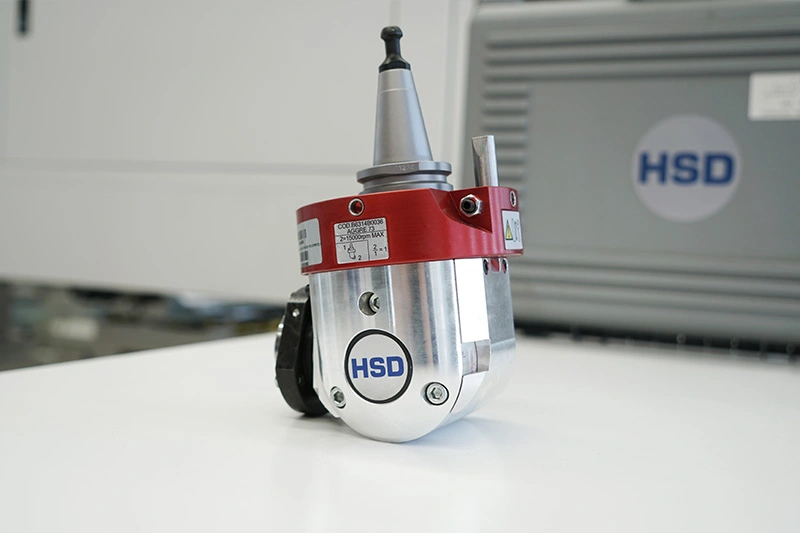
Rotary Axis CNC Router Optional Parts
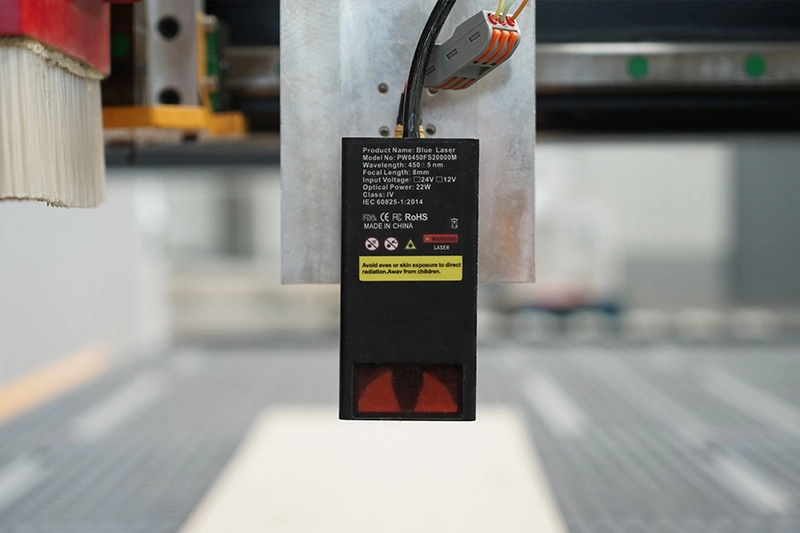
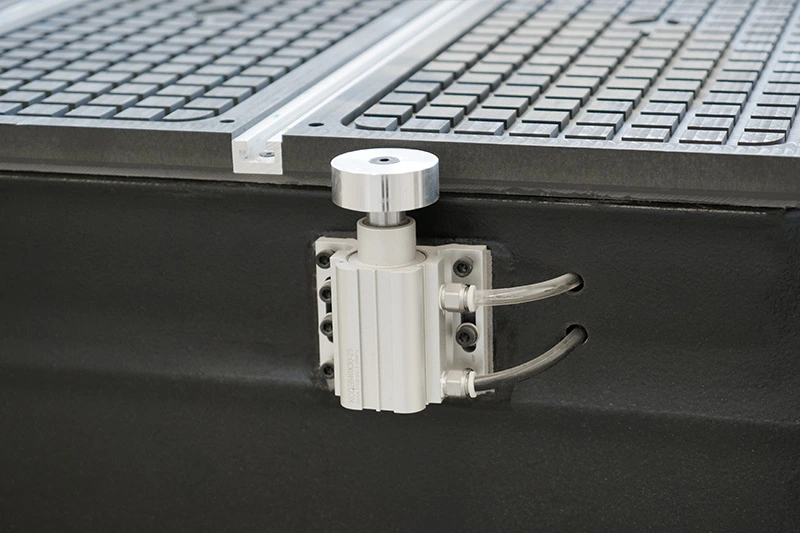
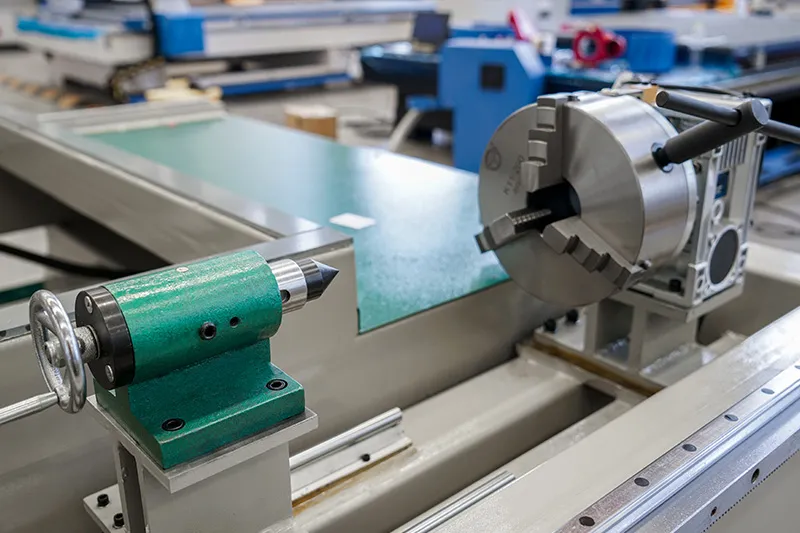
Rotary Axis CNC Router Application
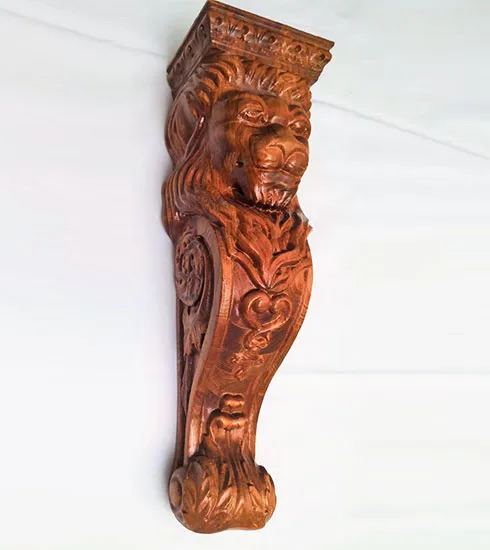
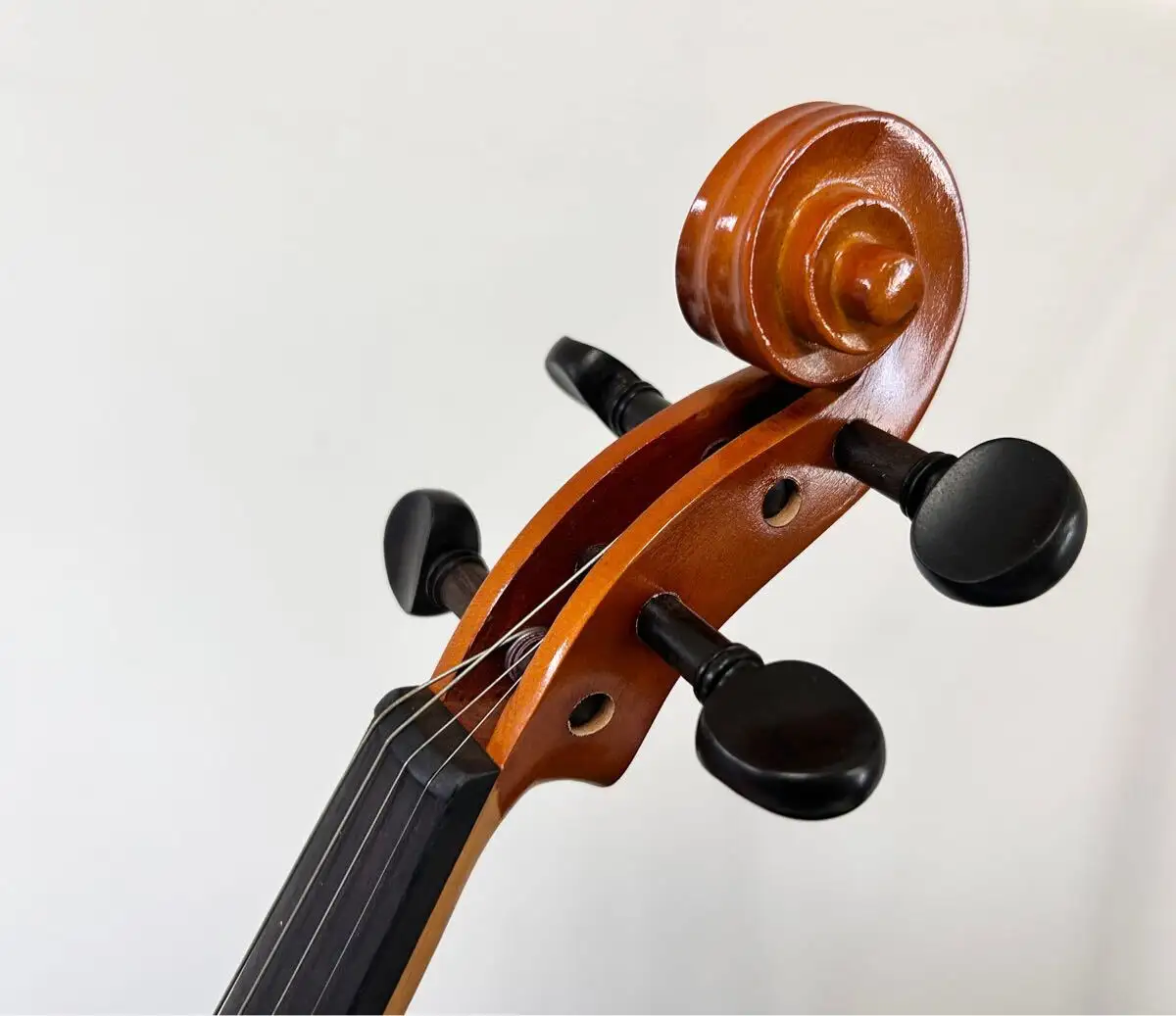
The Rotary Axis ATC CNC Router is widely used for manufacturing furniture components, decorative columns, stair balusters, table legs, cabinet doors, 3D relief panels, advertising signs, and custom wood crafts. Equipped with an automatic tool changer and a rotary axis, it can efficiently process both flat panels and cylindrical workpieces, making it ideal for woodworking shops, furniture manufacturers, architectural decoration companies, and custom production businesses that require high precision, versatility, and productivity.



FAQ
A rotary axis CNC router and a CNC lathe serve different purposes. A CNC lathe is mainly designed for turning symmetrical round parts, while a rotary axis CNC router can carve, engrave, drill, and machine complex 3D patterns around cylindrical workpieces. For decorative columns, stair balusters, furniture legs, and artistic carvings, a rotary CNC router offers much greater flexibility.
A rotary axis CNC router typically uses a rotating attachment to index or continuously rotate cylindrical materials. A true 4-axis CNC machine integrates the rotational axis directly into the motion control system, allowing more advanced simultaneous machining. Rotary axis CNC routers are usually more affordable and suitable for most woodworking applications, while true 4-axis systems are preferred for highly complex industrial parts.
Most rotary CNC routers support standard G-code generated from CAD/CAM software such as Aspire, VCarve, ArtCAM, Fusion 360, and other compatible programs. The specific post-processor should match the controller system used on the machine.
The ideal rotary axis size depends on the maximum diameter and weight of your workpieces. Small furniture legs and balusters often require a compact rotary device, while large columns and architectural components may need a larger diameter rotary axis with stronger clamping force for stable machining.
Automatic tool changing (ATC) significantly improves productivity by allowing the machine to switch between roughing, finishing, engraving, and drilling tools automatically. This reduces manual intervention, shortens production cycles, and improves consistency for batch manufacturing.