
If you’re thinking about buying a laser engraver, you’re not just shopping for a machine—you’re investing in a tool that can power your creativity or even grow your business. Asking how much a laser engraver costs is smart, because the price can vary dramatically—from a few hundred dollars to over $20,000.
The final price depends on what you plan to make. A small hobby engraver might be enough for crafts or personalization, while an industrial machine can handle nonstop production. Think of it like buying a vehicle: A small, zippy car for city errands costs a lot less than a heavy-duty pickup truck for industrial work.
Let’s explore what affects the price and what you really need to budget for.
Part 1: The Machine Cost – What’s on the Price Tag
The price of a laser engraver mainly depends on laser type, power, and build quality. Each laser technology is designed for specific materials and workloads.
1. Laser Type – The Biggest Price Factor
| Laser Type | Best For | Typical Price Range | Key Advantage |
| Diode Laser | Engraving wood, leather, paper, thin dark acrylic. | $300 – $4,000 | Lowest cost, most portable, great for beginners. |
| CO2 Laser | Cutting and engraving almost all non-metals (wood, thick acrylic, glass, leather, fabric). | $2,000 – $10,000 | Most versatile, ideal for small businesses and workshops. |
| Fiber Laser | Engraving and marking metals (stainless steel, gold, silver, brass) and some hard plastics. | $2,500 – $15,000+ | Fastest on metal, industrial-level precision. |
Different lasers, different goals.
If you mainly work with wood or leather, a diode laser is enough. If you plan to cut thicker acrylic or make signage, a CO2 laser is the standard. For metal marking or engraving jewelry, fiber lasers are the clear choice.
2. Power and Speed
Higher laser wattage usually means faster cutting and deeper engraving. For example, a 10W diode laser can etch wood but won’t cut thick materials, while a 100W CO2 laser can slice through 10 mm acrylic easily.
More power = more productivity, but also a higher cost.
3. Work Area and Frame Size
The larger the work area, the more you can produce at once. Hobby units often have 300 × 200 mm workspaces; business machines might have 1000 × 800 mm or more.
A stronger, heavier frame also improves precision and stability—another factor that adds to cost.
Part 2: The Hidden Costs – The “Overall Investment”
The machine cost is only part of your total investment. To run your laser engraver safely and effectively, you’ll need supporting equipment and to plan for ongoing expenses.This is the Total Cost of Ownership.
1. Essential Accessories and Safety Gear
You cannot run a laser engraver safely without these items. They are a must-buy and add to your startup cost.
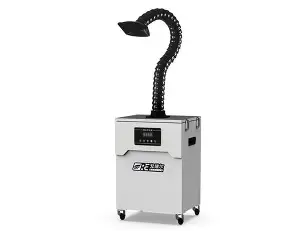
⑴. Exhaust/Ventilation System ($200 – $1,500+)
When a laser burns material, it creates smoke and sometimes toxic fumes. A proper ventilation system is non-negotiable for safety. A basic fan and duct work is cheap, but a high-quality filter/air purifier system (especially for working indoors) is a major investment.
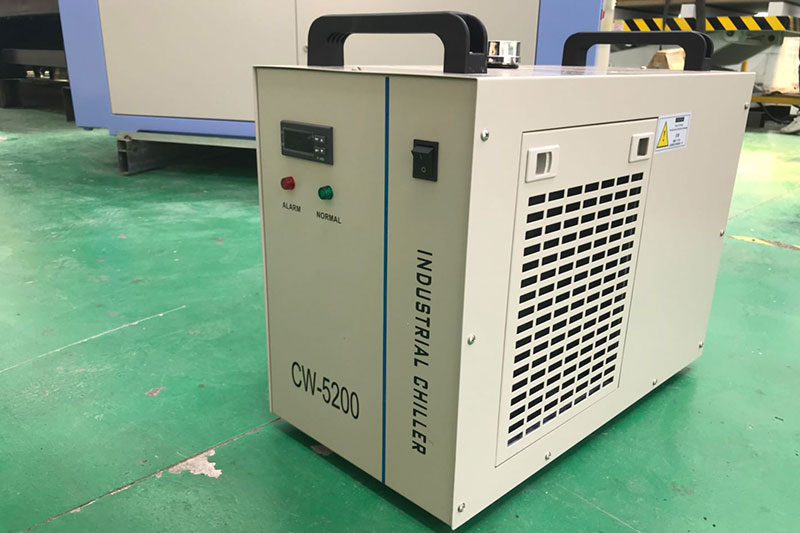
⑵. Water Chiller/Cooling Unit ($200 – $1,200)
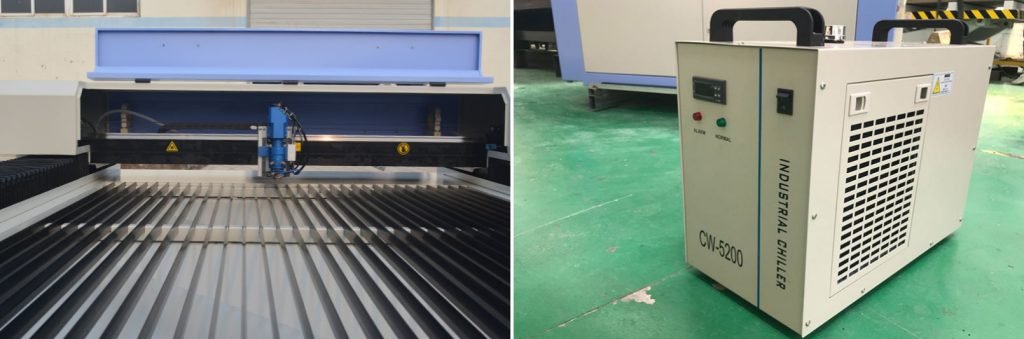
High-power CO2 laser tubes need constant cooling to run reliably and prolong their life.1 A basic water pump is included with many budget machines, but a professional, thermostatically controlled chiller is a better investment for serious work.
⑶. Air Assist Compressor ($50 – $300)
This powerful air stream blows away debris and smoke at the engraving point, which prevents your lens from getting dirty and gives you cleaner cuts and engravings.
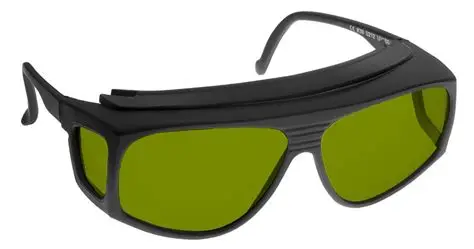
⑷. Safety Glasses (Mandatory)
You must have the correct safety glasses rated for your specific laser’s wavelength (CO2, Fiber, or Diode). Never skip this!
2. Quality of Core Components
The quality of the main parts directly impacts the machine’s price, lifespan, and reliability. High-quality components cost more upfront but save you money and headaches over time.
| Component | Function | Brand Example | Impact on Price & Life |
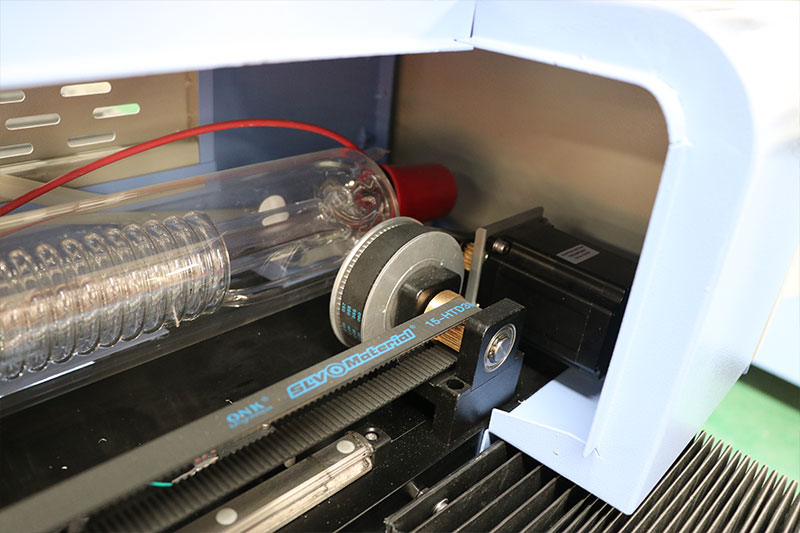
| Laser Source (Tube/Generator) | Creates the laser beam. | RECI (CO2), Raycus/IPG (Fiber) | The Core. A better brand means more stable power, higher quality, and a much longer lifespan (fewer replacements). |
| Motion System | The motor, belts, and rails that move the laser head. | Linear Rails (Hiwin is a top brand) | Precision. Better quality rails mean smoother, faster movement, which gives you higher accuracy and detail. |
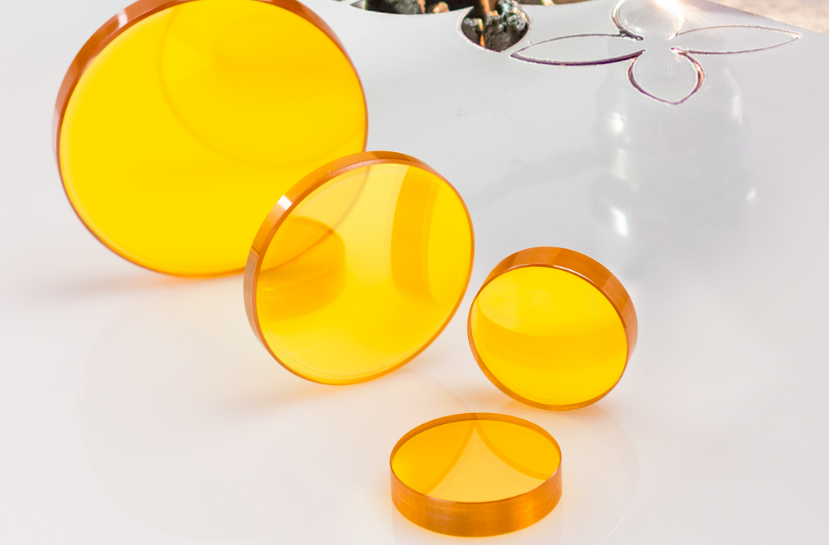
| Lenses & Mirrors | Focus and direct the beam. | USA-made/High-Purity ZnSe | Efficiency. High-quality optics lose less power. Cheaper lenses get dirty faster and need replacing more often. |
| Control System | The computer and software that run the machine. | Ruida (CO2) | Ease of Use. A system with reliable hardware and good software (like LightBurn compatibility) makes your workflow fast and easy. |
3. Consumables and Operating Costs
These are the things you have to replace over time. Think of them as the “gas and oil” for your machine.
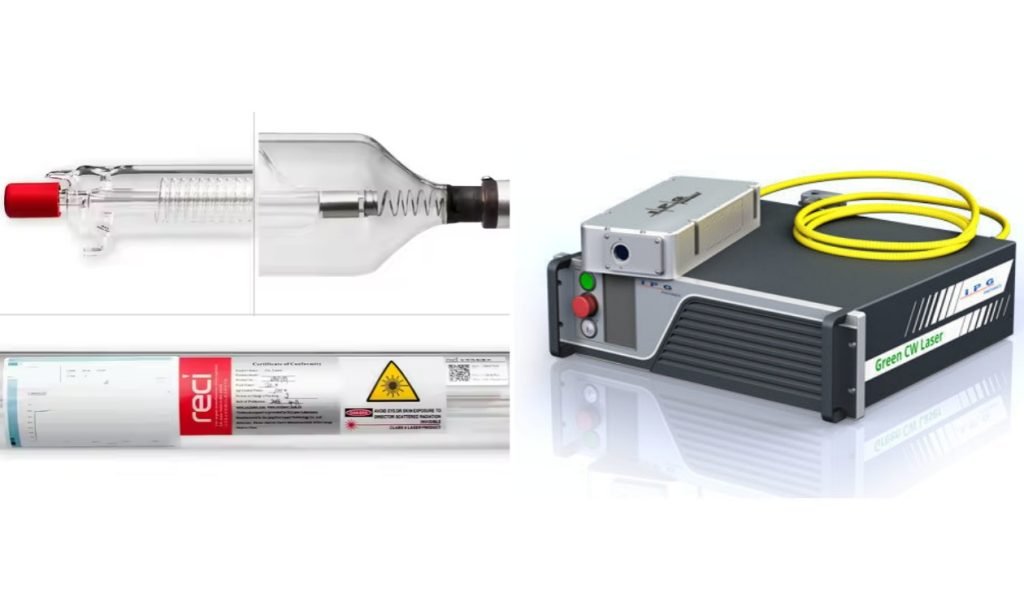
- Laser Tube/Source: The biggest consumable cost. A CO2 laser tube might last 1,000 to 10,000 hours, depending on its quality and how you use it.Replacing it can cost $300 to $800 for a decent quality mid-power tube. A Fiber Laser source lasts much longer (up to 50,000 hours) but is more expensive to replace.
- Lenses and Mirrors: You will need to clean these often. Over time, they get worn or scratched and need replacing (usually every 6–12 months). Costs range from $20 to $150 per piece.
- Materials: Wood, acrylic, leather, and metal are your raw materials. Buying in bulk will always save you money in the long run.
Part 3: Important Buying Considerations
When you’re comparing prices, remember that the cheapest machine is rarely the best investment. A lower upfront cost can lead to higher long-term costs.
1. Downtime vs. Productivity
Cheap machines can save money upfront but cost you in lost time, orders, and money when they fail or slow down. A stable, well-built machine keeps you working without interruption.
2. Quality of Results
Low-end lasers might produce inconsistent engraving depth or blurry edges, wasting materials and time. A precise motion system and quality optics make a huge difference.
3. After-Sales Support
Many inexpensive machines come with poor technical support. If something breaks, you’re on your own. Reputable brands offer warranties, remote assistance, and spare parts availability.
Part 4: Which Laser Engraver Is Right for You?
You might be wondering what kind of laser engraving machine you need to buy; that completely depends on what you plan to do with it. A student making craft projects doesn’t need the same power or size as a small business owner cutting acrylic signs every day.
1. Hobbyists and Beginners
If you’re just getting started or using the machine for personal projects, a Diode laser is often the best fit. These compact machines are affordable, safe for home use, and perfect for light materials like wood, leather, paper, and cardboard.
- Ideal For: DIY crafts, home décor, custom gifts, name tags, small engraving projects.
- Recommended Power: 5W–20W diode.
- Typical Price Range: Under $1,500.
- Why It’s Great: Easy setup, low maintenance, and quiet operation. Perfect for learning the basics of laser engraving without a large investment.
2. Makers, Designers, and Small Workshops
If you’re selling products on Etsy, customizing wood crafts, or running a small studio, you need more power and versatility. A CO2 laser is the best option in this range. It can both engrave and cut through thicker materials and handle more demanding jobs.
- Ideal For: Small businesses, craft shops, sign makers, and designers.
- Recommended Power: 40W–100W CO2 laser.
- Typical Price Range: $2,000 – $10,000.
- Why It’s Great: Cuts and engraves a wide variety of non-metals—wood, acrylic, leather, fabric, and glass—with high precision. Also large enough for batch production or medium-sized projects.

3. Industrial Production
For manufacturing plants or large production lines, an industrial-grade CO2 or Fiber laser is essential. These machines are designed for continuous 24/7 operation, cutting thick materials at high speeds with maximum precision.
- Ideal For: Factories, signage companies, packaging manufacturers, and metal processing shops.
- Recommended Power: 150W+ CO2 or 200W+ Fiber laser.
- Typical Price Range: $10,000 and up.
- Why It’s Great: Built for nonstop production, large-format cutting, and deep engraving with minimal downtime. Strong cooling systems and industrial components ensure long-term reliability.
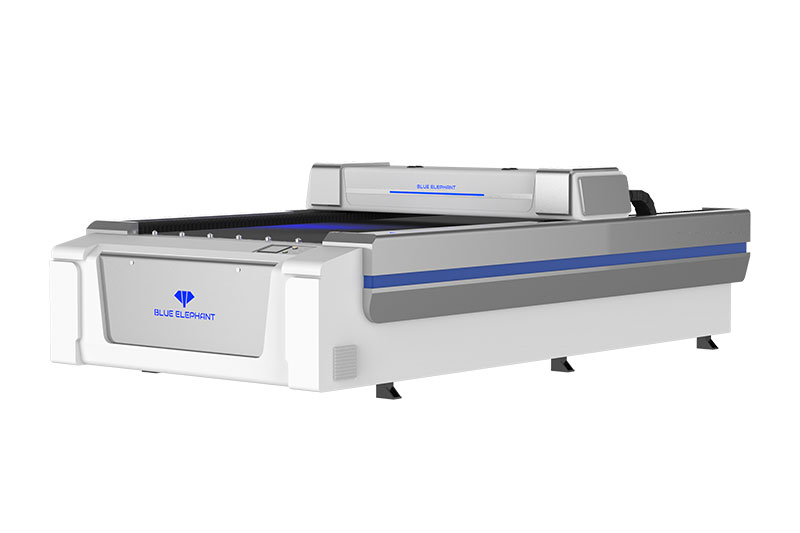
Part 5: Why Choose a Trusted Brand Like Blue Elephant
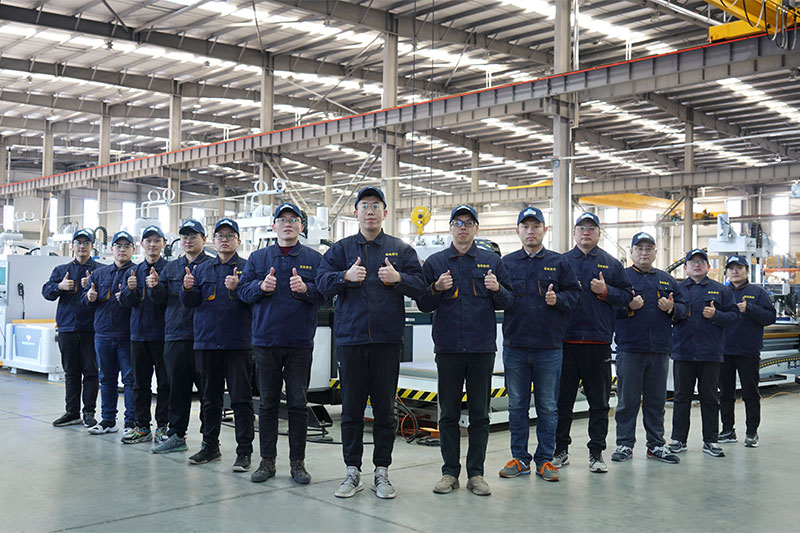
When you’re investing thousands of dollars, brand reputation and reliability matter as much as specs. Blue Elephant is a well-known name in CNC and laser equipment, offering solid machines for both small workshops and industrial users.
1. Reliable Components
Blue Elephant machines use high-grade laser sources, precision linear rails, and strong steel structures. This results in smoother motion, consistent beam quality, and long-term stability.
2. Built for Continuous Production
Their machines are known for having a stable construction and robust cooling systems, allowing you to run continuous jobs without worrying about overheating or breakdown.
3. Professional Support and Service
Buying from a reputable brand means you get training, technical support, and spare parts when needed. Blue Elephant provides assistance from setup to maintenance, reducing your learning curve and downtime.
Part 6: Long-Term Value – Thinking Beyond the Price
A laser engraver is a long-term tool. While a budget model might seem appealing, its hidden costs—repairs, downtime, poor precision—can quickly exceed what you saved.
When choosing your laser engraver, think beyond the initial cost. Consider:
- What materials you’ll work with
- How often you’ll use it
- What size and power you need
- What kind of support you expect
Spending a bit more for quality means:
- More accurate engraving and cleaner cuts
- Fewer repairs and replacements
- Higher resale value
- Consistent performance that supports business growth
A good laser engraver should make you money, not cause stress. Saving a few hundred dollars upfront can lead to thousands lost in wasted materials and downtime.
That’s why brands like Blue Elephant stand out—they combine professional-grade engineering, stable performance, and reliable service.
Ready to find the right laser engraver for your needs?
Contact Blue Elephant today for a personalized quote and professional advice.
Recommend reads:
What Can You Do With a Laser Engraver?