
After years of running a small woodworking and fabrication shop, I can tell you the answer to “What’s the best CNC router?” isn’t a brand name or a price tag. It’s the machine that fits your space, handles your materials, and makes you money without costing you every spare minute in repairs.
For a small shop owner in the US or Europe, the best CNC router is the one that gives you professional reliability and precision without the massive factory footprint. Let’s look at what to look for and why sizing and features matter most.
I. Matching Table Size to Your Work
For a small shop, space is often the most critical limiting factor. Choosing the right table size is the first and most critical step. It’s a balance between your shop’s physical space and the economic efficiency of your workflow. Buying too large sacrifices valuable floor space; buying too small sacrifices productivity and material utilization.
Here are the common working table sizes and the typical customers they suit:
| Working Table Size (US / Metric) | Typical Use Case | Advantage for Small Shop |
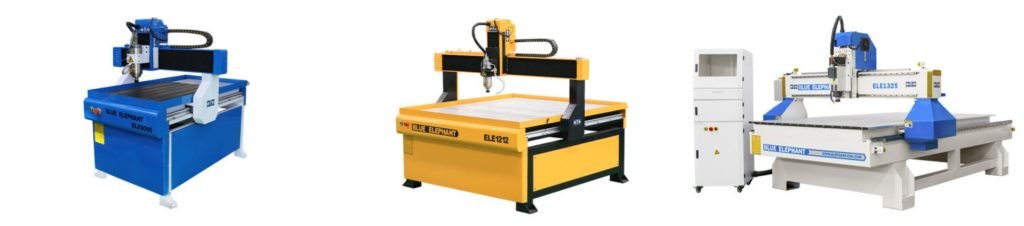
| 2 ft x 3 ft (600mm x 900mm) | Hobby/Signage. Small panels, engraving, cutting small furniture parts, artistic inlays. | Smallest Footprint. Ideal for garage shops, basement workshops, or those focusing on high-detail, small-volume work. |
| 4 ft x 4 ft (1200mm x 1200mm) | Prototyping/Makerspace. Perfect for processing half-sheets of material (4′ x 4′ plywood or MDF). | Great Balance. Allows for efficient use of half-sheets and provides much more flexibility than a desktop model without dominating the shop. |
| 4 ft x 8 ft (1220mm x 2440mm) | Production Work/Cabinetry. The US and European standard for cutting full sheets of plywood or MDF. | Maximum Efficiency (The Money Maker). If you build cabinets, doors, or furniture, this size is non-negotiable for minimizing waste and maximizing nesting. It’s a bigger investment in space, but it offers the fastest ROI for panel processing. |
II. Critical Considerations Before You Buy
Before you look at a single brochure, an honest audit of your shop’s infrastructure is essential. Overlooking these factors can lead to an expensive and frustrating installation process, stalling your production before it even begins.
1. Analyzing Your Shop’s Footprint and Access
Space is Currency: You need enough room not just for the machine, but for the outfeed, infeed, and maintenance space around it. For a 4×8 CNC router, you realistically need a space that’s at least 15 feet long and 10 feet wide to maneuver full sheets of material safely. If you don’t have this, look seriously at a 4×4 or a machine with a fold-down outfeed table.
2. Understanding Electrical and Air Requirements
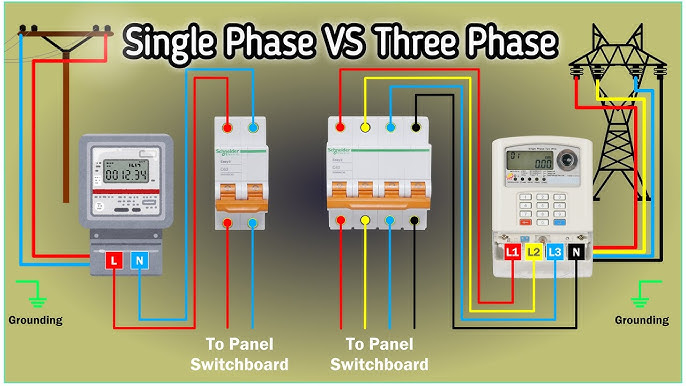
Most industrial CNC routers require 220V/240V or 380V three-phase power. In many American and older European small shops, only single-phase (120V/240V) is readily available.
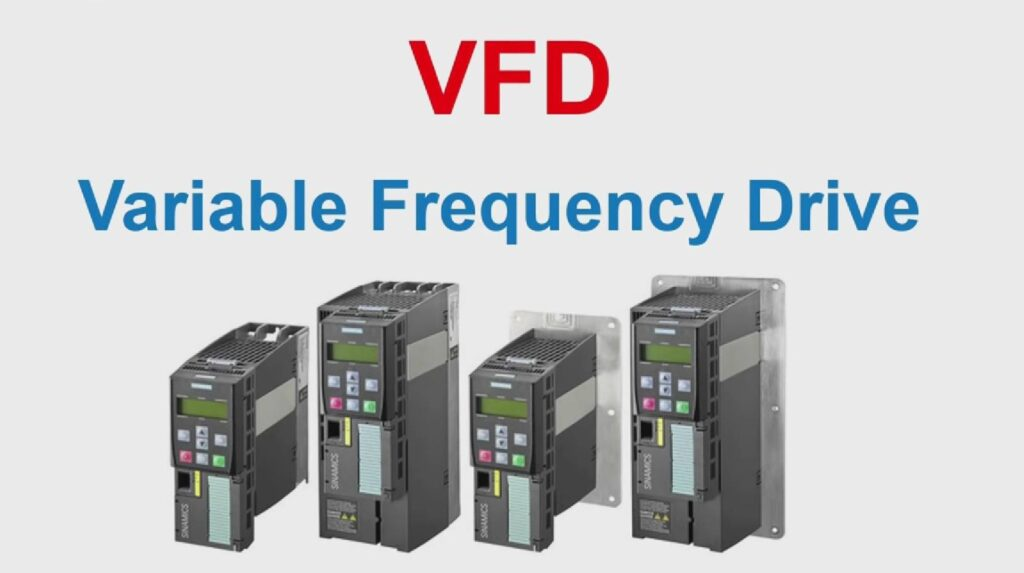
Solution: Discuss your available voltage with the supplier. A high-quality manufacturer can often configure the machine with a phase converter or VFD (Variable Frequency Drive) to run a 3-phase motor on single-phase power, or they can recommend a suitable single-phase machine.
Furthermore, confirm your compressed air supply. Many functions of a CNC machine (such as ATC and vacuum tables) rely on compressed air. You need to ensure that your air compressor can provide compatible pressure (typically 100 PSI)). Please confirm these two points before placing your order.
3. Define Your Processing Requirements and Materials
It is crucial to clearly define the types of parts you plan to produce and the materials you will use before investing in a CNC machine. This directly determines the performance, configuration, and rigidity requirements for your equipment.
- Complexity: Do you only cut flat parts (2D)? Or do you need 3D carving, chair legs (Rotary Axis), or fast, automated tool changes (ATC)?
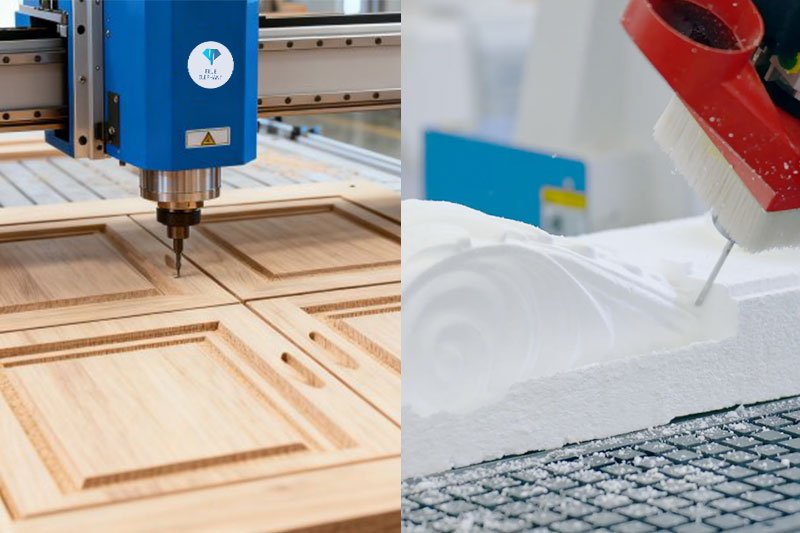
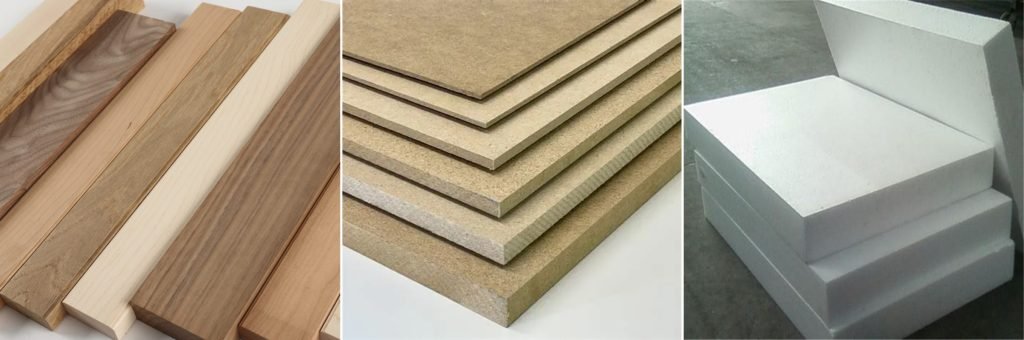
- Material: If you cut dense hardwood or aluminum, you need a higher horsepower spindle (6kW+) and a much more rigid frame than if you only cut MDF and foam. Match the machine’s durability to your toughest material.
4. Calculating True Total Cost and ROI
The machine’s price tag is only part of the story. Your budget must include shipping, professional rigging, dust collection, tooling, and software, your budget must cover the entire package.
View this as an investment: the “best” machine is the one with the shortest Return on Investment (ROI), meaning, it earns back its total cost the fastest.
III. Essential Features for Small Shop Success
In a small shop, every machine must be a workhorse. Prioritizing the right components from the start ensures long-term reliability, minimizes costly downtime, and guarantees the quality of your finished products.
1. Industrial Spindle
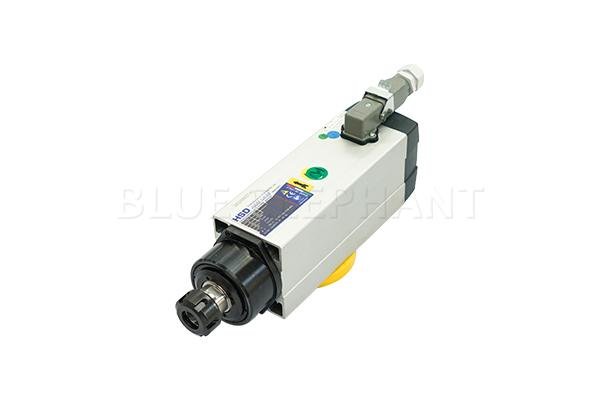
For any serious production, a dedicated industrial spindle (from brands like HSD) is mandatory. Offering superior torque, quiet operation, and a long lifespan, a water-cooled or air-cooled spindle (3kW / 4.5kW minimum) will outperform and outlast a standard router motor, providing consistent power for years.
2. Frame Rigidity and Construction
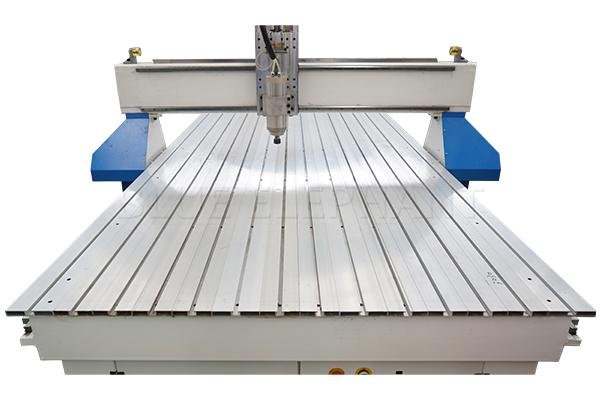
Precision is born from rigidity. Look for a machine with a heavy, welded steel frame and gantry.
A flimsy machine will vibrate, resulting in fuzzy cuts and poor quality parts, wasting your time and material. A sturdy machine absorbs vibration, allowing for crisp, clean cuts in all materials and protecting the machine’s mechanical components from premature wear and tear.
3. Precision Linear Guide Rails
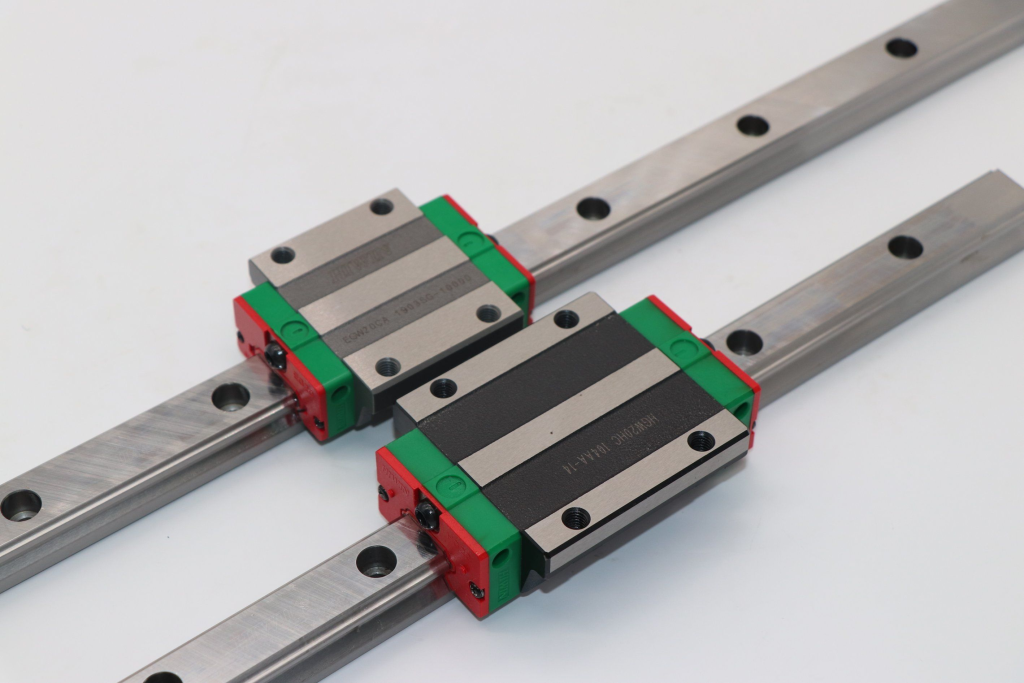
Avoid machines that use unsupported round rails for serious work. Precision square linear guide rails (like those from HIWIN) on all axes provide superior stability and accuracy at high speeds, which is essential for repeatable, high-tolerance work and complex 3D carving.
IV. Advanced Features to Boost Your Productivity
Once the fundamentals are covered, certain advanced features can transform your workflow from manual and slow to automated and highly efficient. These are investments that pay for themselves in saved labor and time.
1. The Game-Changing Vacuum Table
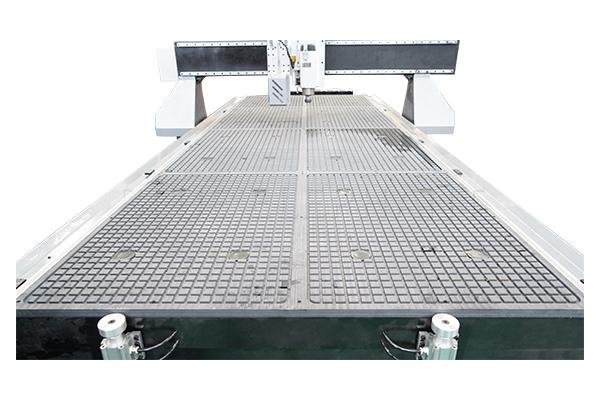
For 4×8 machines, a vacuum table is a massive efficiency upgrade. It uses a powerful pump to hold down entire sheets instantly, eliminating the time-consuming and often dangerous process of screwing or clamping down material. This dramatically speeds up job changeover.
2. Automatic Tool Changers (ATC)
An ATC allows the machine to automatically switch between multiple tools from a pre-loaded carousel. If your work involves drilling, V-carving, and profiling in a single job, an ATC can save 10-15 minutes per sheet by eliminating manual tool changes, a huge labor savings over time.
3. The Fourth Axis (Rotary Axis)
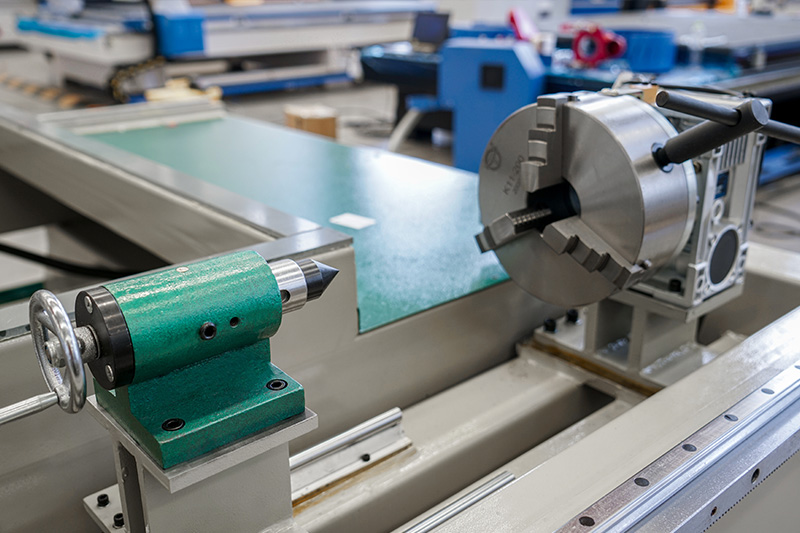
A rotary axis unlocks the ability to create complex, cylindrical carvings. This is essential for producing items like table legs, baseball bats, decorative columns, and 3D sculptures, opening up new product lines and revenue streams for your shop.
V. Software and Control: The Brain of the Operation
The controller and software are the interface between your designs and the physical machine. A user-friendly and powerful system is crucial for a smooth workflow, from concept to finished part.
1. The CNC Controller
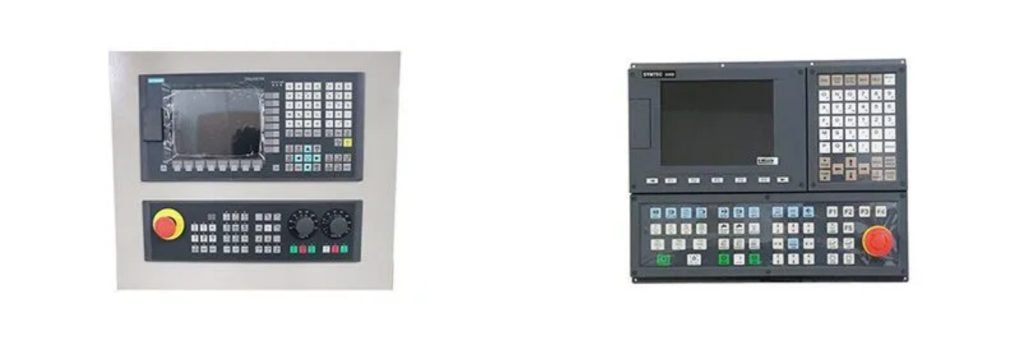
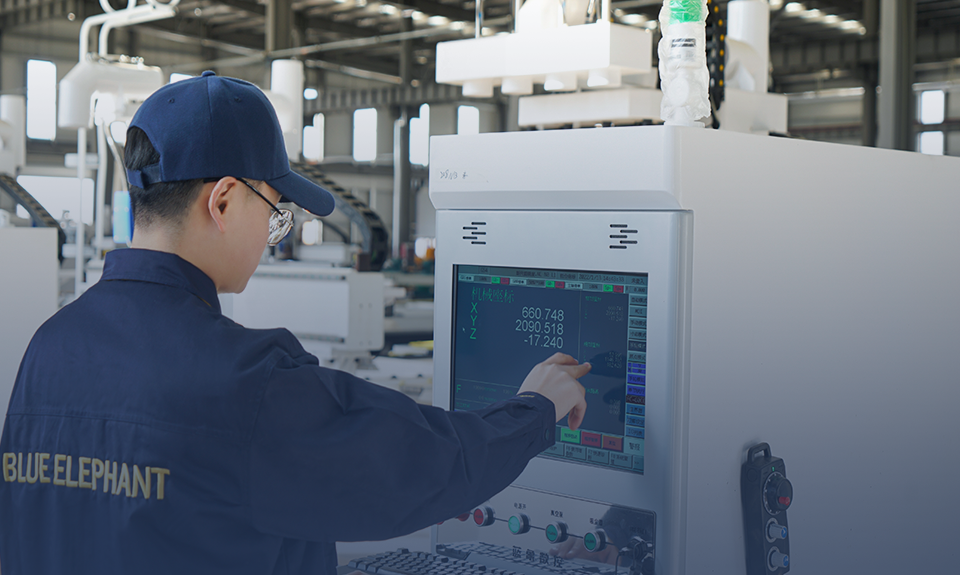
The controller is the computer that runs the machine. Look for a well-known system like a Syntec or Siemens controller. They offer robust, user-friendly interfaces and reliable support. A stable controller means less machine downtime and easier troubleshooting.
2. CAD/CAM Software Workflow
CAD software is for designing the part (e.g., VCarve Pro, Fusion 360, AutoCAD), while CAM software translates that design into toolpaths (G-code) the machine can understand. Many packages combine these functions. Choose software that matches your skill level and project complexity.
3. Training and Technical Support
Even the best machine is useless without proper knowledge. Prioritize suppliers who offer comprehensive training and reliable, accessible technical support. Good support ensures you can quickly resolve issues and get the most out of your investment from day one.
VI. Ensuring Long-Term Reliability and Support
Your relationship with the machine doesn’t end after purchase. Long-term reliability is determined by the quality of components and the support system behind them, which are critical for minimizing costly production interruptions.
1. Warranty and Service Availability
Scrutinize the warranty terms. What is covered, and for how long? Furthermore, inquire about service availability. Does the manufacturer or distributor have US-based technicians, or is support handled remotely?
2. Availability of Spare Parts
Even the best machines may eventually need a replacement part. A reputable supplier will have a clear and accessible inventory of common spare parts like bearings, drive belts, and sensors, ensuring you can get back up and running quickly.
3. Community and Knowledge Base
A strong user community and online knowledge base are invaluable resources. Being able to tap into the collective experience of other owners can help you solve problems, learn new techniques, and better maintain your equipment.
VII. Blue Elephant CNC: Built for Value
When searching for the best CNC router, many US and European buyers look at reliable brands that offer professional-grade components without the highest price tag. This is where Blue Elephant CNC stands out—they use the same high-quality parts (e.g., Syntec controllers, HSD spindles) as premium domestic brands, but offer machines tailored to different budget levels.
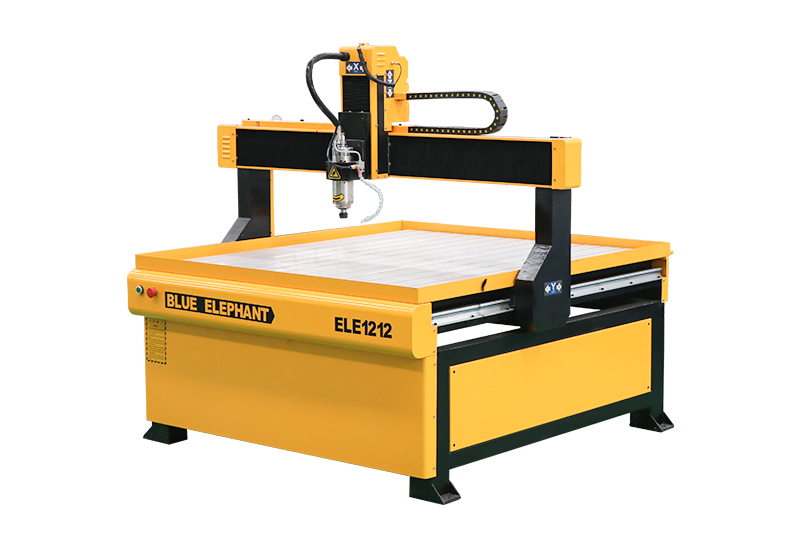
1. The Compact Pro: ELECNC-1212 (4’x4′)
Designed for high precision in a limited space, this machine packs industrial-grade rigidity and a quality spindle into a compact footprint. It’s the perfect solution for prototyping, custom furniture parts, and 3D signs where full-sheet capacity isn’t required.
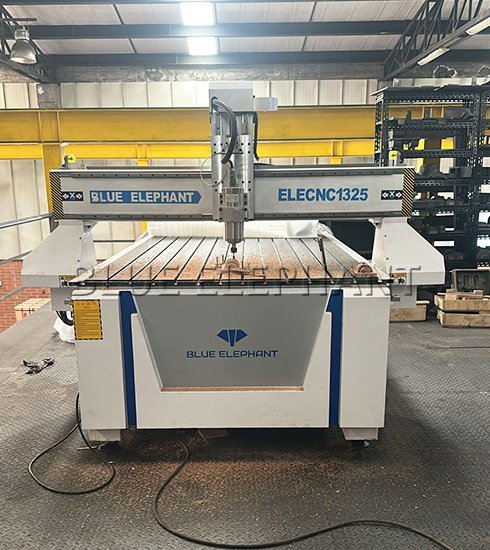
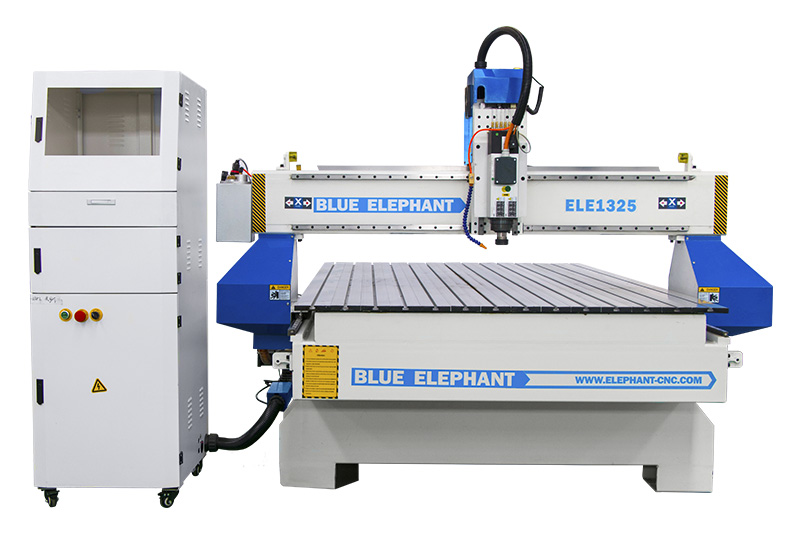
2. The Starter Workhorse: ELECNC-1325 (4’x8′)
This is the standard 3-axis machine that forms the backbone of countless small cabinet and furniture shops. It delivers the critical 4×8 sheet capacity at an accessible price point, offering the best long-term ROI for panel processing by minimizing material waste.
3. The Productivity Booster: ELECNC-1325 ATC (4’x8′)
For shops ready to scale, this model includes an Automatic Tool Changer. If you run multiple tools (drilling, V-carving, profile cutting) on the same part, the ATC saves 10+ minutes per sheet and enables complex, multi-tool jobs to run unattended. This machine pays for itself quickly through massive efficiency gains.
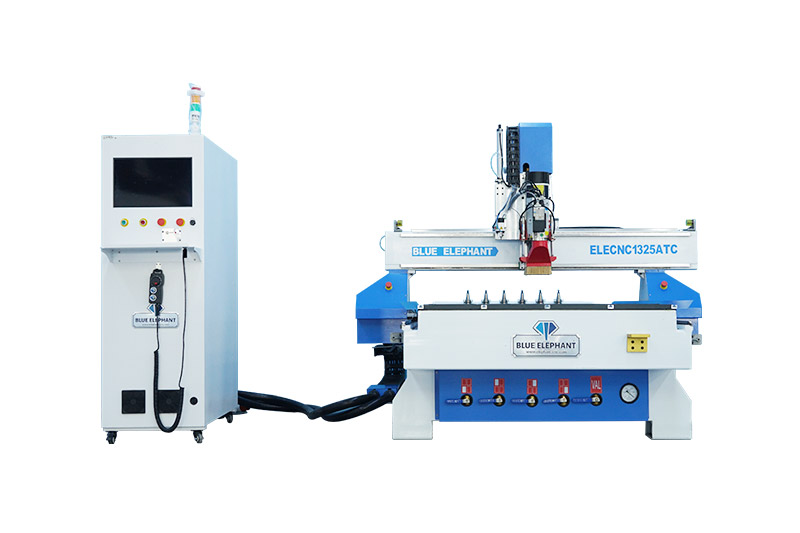
To view more product information about the Blue Elephant CNC routers, please click the following link.
VIII. Final Checklist Before You Place Your Order
Making the final decision can be daunting. Use this quick checklist to ensure you’ve covered all your bases and are making a confident, well-informed investment in your shop’s future.
Confirm Your Shop’s Readiness
Double-check your space measurements, electrical supply, and compressed air capacity. Have you arranged for riggers to move the machine into place? Is your dust collection system adequate for the new machine’s demands?
Clarify All Costs and Logistics
Get a final, all-inclusive quote that covers the machine, shipping, and any import duties. Understand the delivery timeline and the installation process. There should be no surprises when the final invoice arrives.
Verify Training and Support Process
Ensure you have a clear plan for training. How will you and your team learn to operate the machine safely and effectively? Confirm the details of your warranty and the exact process for accessing technical support after the sale.
Ready to find the machine that will revolutionize your production?
⚡ORDER NOW! Stop wasting time and material on manual cuts. Secure the best CNC router for your small shop today! Contact Blue Elephant CNC to discuss your shop size and material needs, and let them configure a high-quality machine that fits your budget perfectly
Learn more about CNC routers: