
Hello! I’m your dedicated sales expert here at Blue Elephant CNC, and my primary job is not just to sell you a machine, but to ensure you make the right investment for your business. For years, I’ve worked with entrepreneurs, cabinet makers, sign shops, and manufacturers across the globe, helping them transition from manual labor to automated, high-precision production.
Choosing a CNC router is one of the most critical decisions you will make. It’s a significant capital investment, and the machine you select today will define your capabilities, profitability, and growth trajectory for the next decade.
Stop guessing. I am here to provide the clear, authoritative guidance you need to navigate the technical specifications, avoid common pitfalls, and confidently select the machine that guarantees the highest possible Return on Investment (ROI) for your specific operation. Let’s build your success story together.
I. Defining Your Foundation – Size and Axis Configuration
The first step in any successful purchase is a deep, honest assessment of your current and future production requirements. This section directly addresses the user’s Scaling & Output requirements.
1. What Working Size Do You Really Need?
The machine size dictates your material handling efficiency. You must choose a size that minimizes material waste and maximizes throughput.
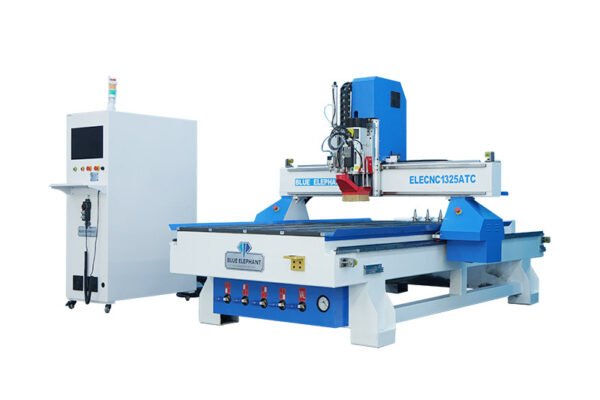
A. The Industry Standard (4x8ft or 1300x2500mm)
This is the most common size for woodworking because it perfectly handles standard sheet materials (plywood, MDF, particleboard) sold internationally.
The Key Benefit: Choosing this size ensures maximum material yield and minimal waste, as you can nest parts across an entire sheet efficiently. For most cabinet and furniture makers, this size is the practical minimum for serious production.
B. The Large Format Option (5x10ft or 1500x3000mm and Up)
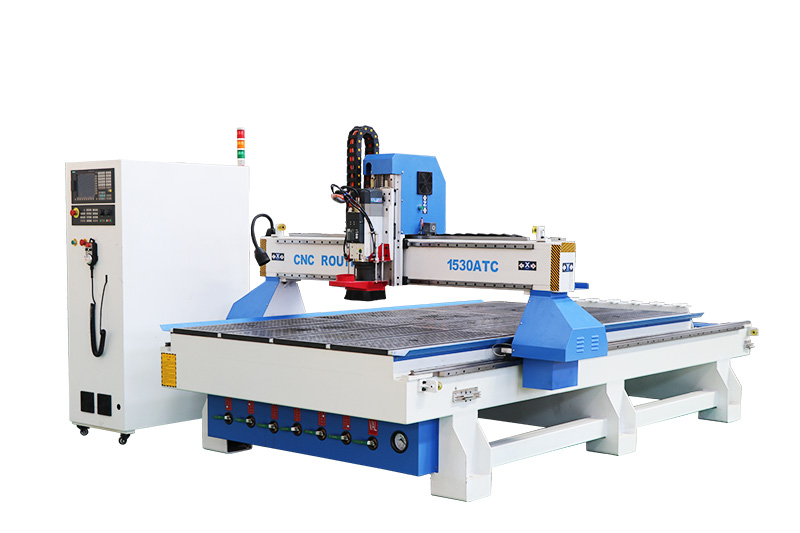
Necessary only if you are working with oversized custom panels, need significant oversize room for part staging and complex fixture clamping, or are cutting materials like aluminum plates that come in larger formats.
C. The Compact Benchtop
While smaller machines are cheaper, they severely limit your nesting capability. They are recommended only for hobbyists or specialized small-part prototyping, not commercial profitability.
D. For Extreme High-Volume Production
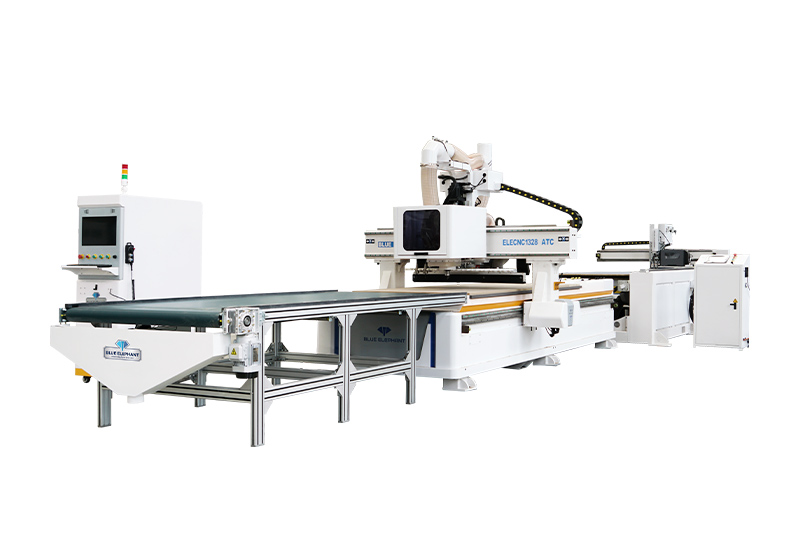
If you are running multiple shifts producing thousands of identical parts, we strongly recommend systems with auto loading and unloading features. This automated material handling eliminates the downtime spent manually placing and removing sheets, often doubling or tripling your effective hourly throughput.
E. Expert Tip on Bed Design
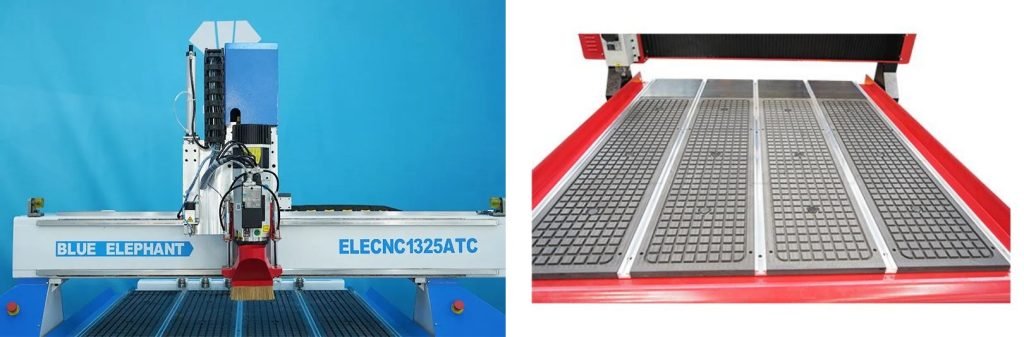
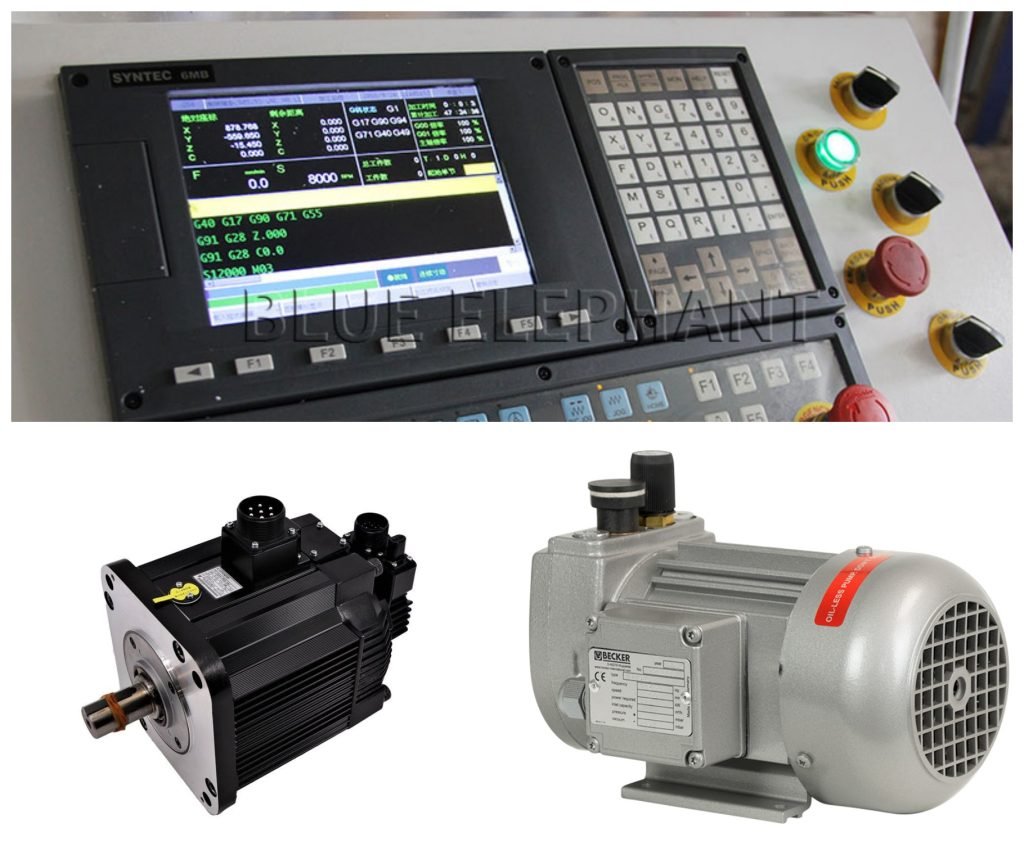
When evaluating the bed, look for a heavy-duty, stress-relieved steel gantry and a robust T-slot table combined with a vacuum bed. The vacuum bed is essential for high-speed sheet processing as it secures the entire piece instantly and firmly, preventing vibration and shifting that cause inaccurate cuts. A solid vacuum pump (preferably a German Becker or similar high-flow model) is non-negotiable for production work.
2. Axis Selection: Matching Function to Product Complexity
The axis configuration dictates the complexity and geometry of the work you can perform. This is the single biggest factor determining your machine’s versatility.
A. 3-Axis CNC Router (The Workhorse)
Definition: Cuts in the X (length), Y (width), and Z (depth) directions.
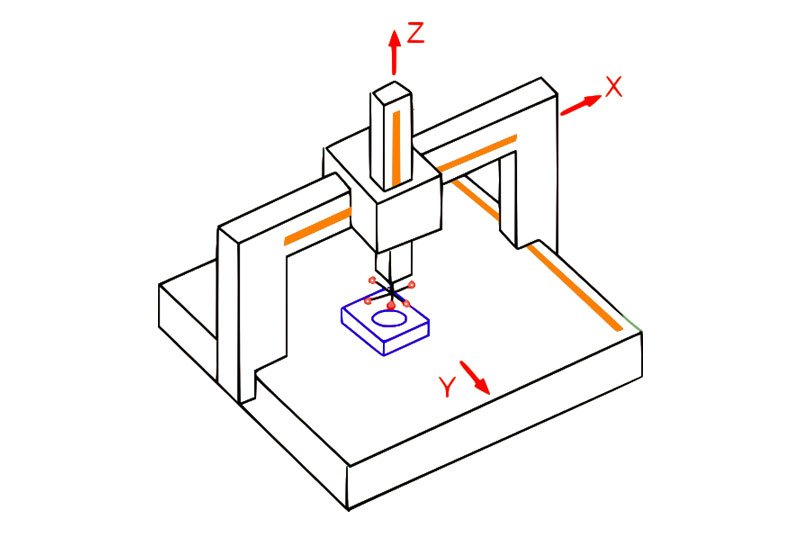
Function: Perfect for all flat cutting, 2D profiling, V-carving, drilling, and 3D shallow reliefs (up to the depth capacity).
Best For: Cabinetry, flat furniture parts, nested-based manufacturing (NBM), basic signage, and architectural models.
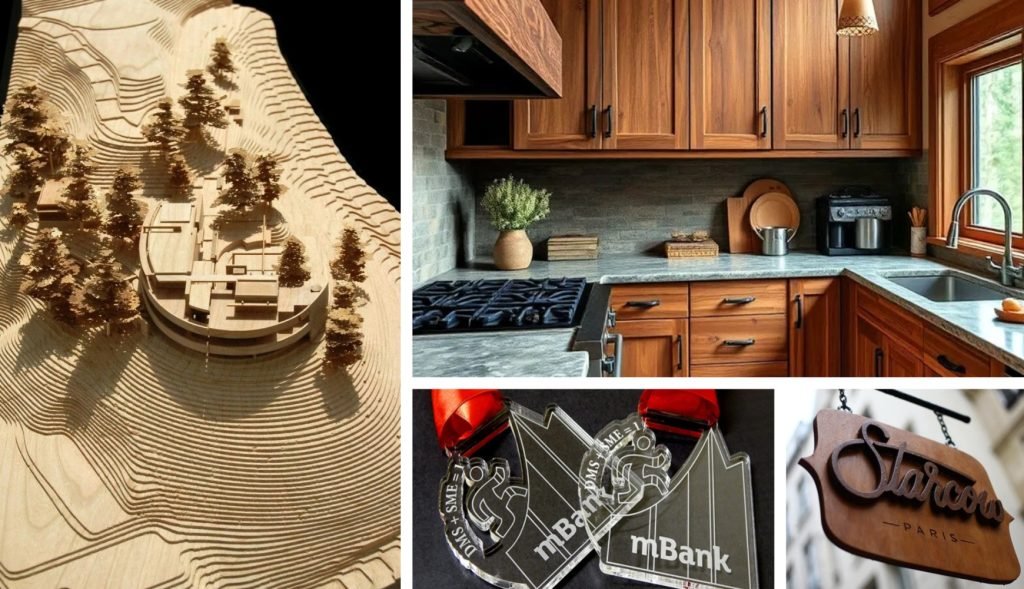
Recommendation: This configuration accounts for over 90% of commercial woodworking needs and offers the best price-to-performance ratio.
B. 4-Axis CNC Router
Definition: Adds a rotary axis (A-axis). The 4th axis either turns the workpiece or allows the spindle to swivel (index) to different fixed angles.
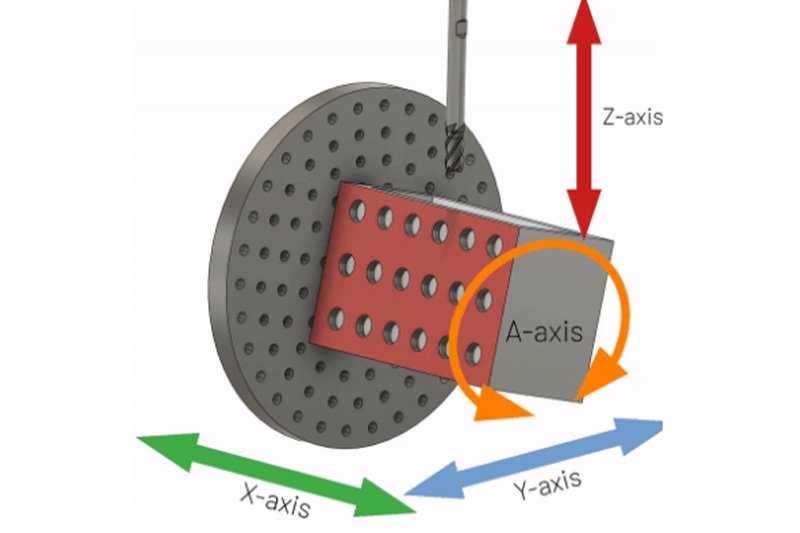
Function:
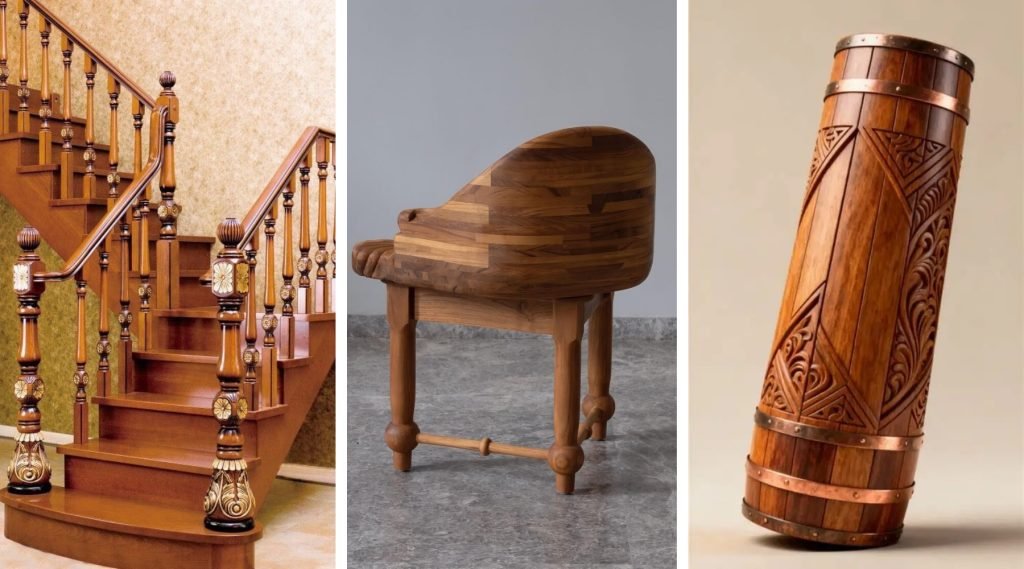
- Rotary (Index) Type: Excellent for complex curved surfaces and true cylindrical items like furniture legs, columns, or detailed spindles.
- Indexing Head Type: Allows the spindle to reach all four sides of a cube-shaped workpiece without manual flipping.
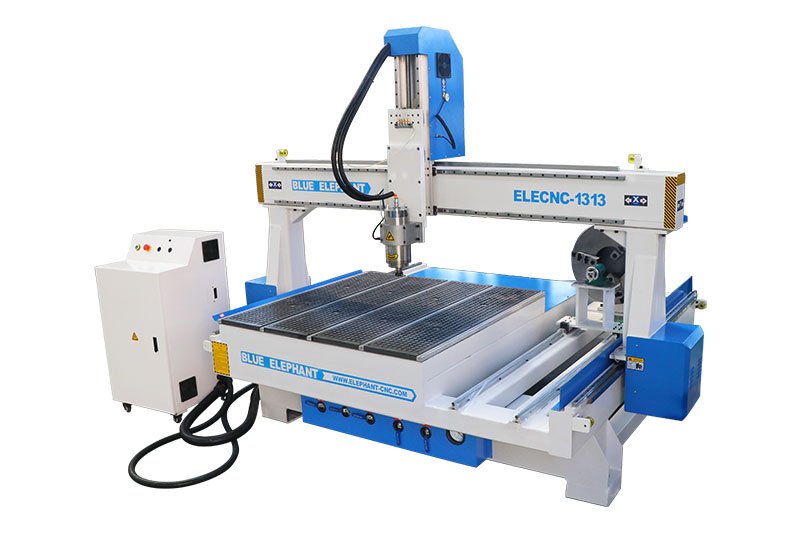
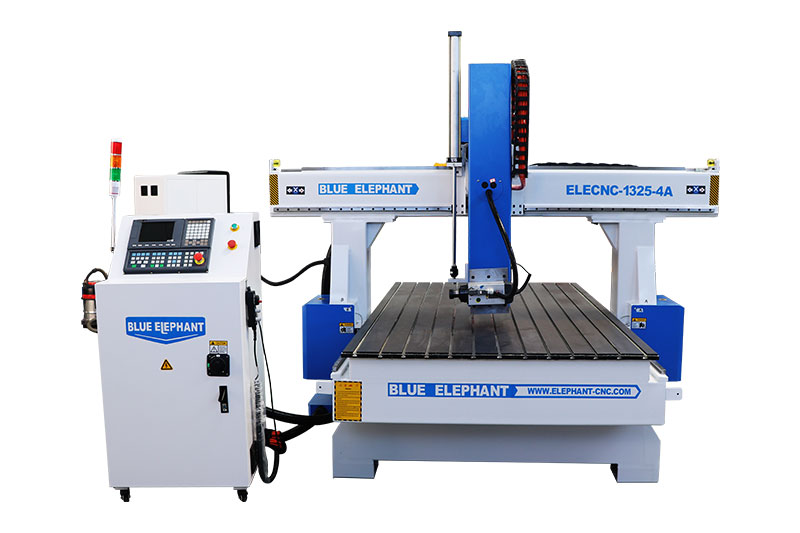
Best For: Stair railings, furniture posts, intricate cylindrical carvings.
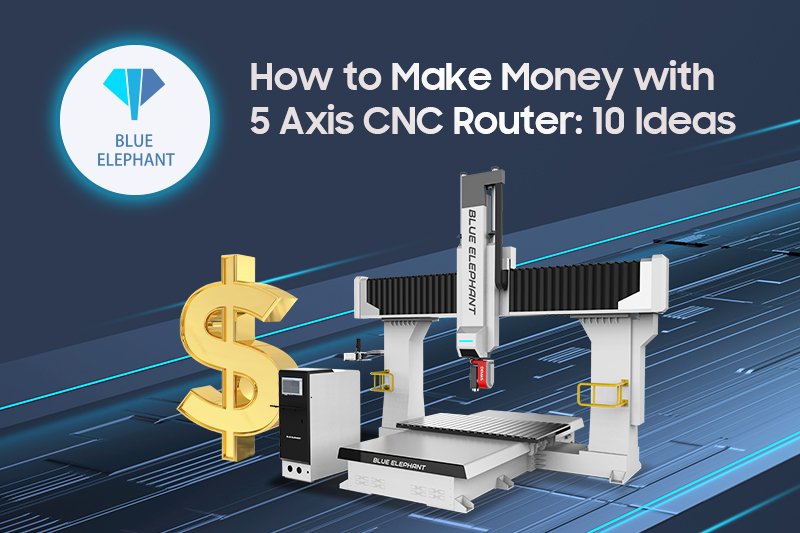
C. 5-Axis CNC Router (The Specialist)
Definition: Adds two rotational axes (A and C axes), allowing the spindle to approach the workpiece from virtually any angle.
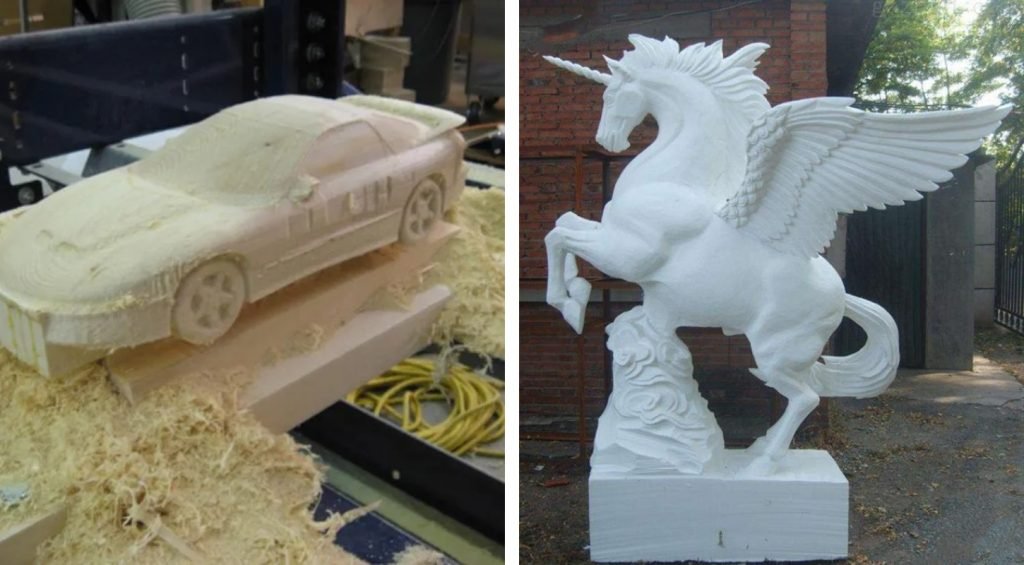
Function: Capable of generating highly complex 3D shapes, trimming 3D-formed composite parts, and achieving finish passes on highly contoured surfaces that a 3-axis machine cannot reach (undercuts).
Best For: Automotive molds, aerospace parts, high-precision trim work, and large-scale artistic sculptures.
Recommendation: This is a specialized, high-cost investment. Only opt for 5-axis if your production absolutely requires its unique capabilities.
II. Core Components – Precision, Speed, Reliability
The quality of the core components is the single biggest differentiator between an entry-level hobby machine and a long-term, profit-generating industrial workhorse. Skimping here guarantees future headaches and lost revenue. This answers the Core Component Performance and Functionality & Accuracy questions.
1. Driving the Axes: Stepper vs. Servo Motors
The motors move your machine. Their performance directly affects your speed, accuracy, and finish quality.
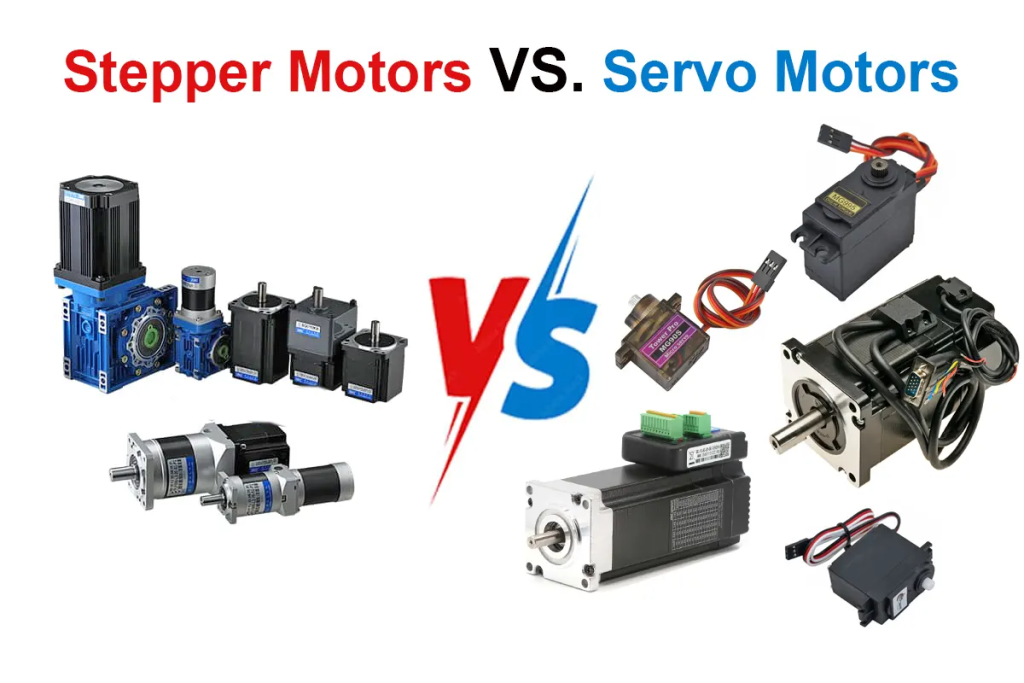
| Feature | Stepper Motor (Economical Choice) | Servo Motor (Industrial Grade Standard) |
| Cost | Low | High (But Worth Every Penny) |
| Speed & Torque | Moderate, loses torque at high speeds, prone to “losing steps” (inaccuracy) | Fast, high torque, continuous performance |
| Feedback System | Open-loop system (no feedback) | Closed-loop system (Built-in encoder) corrects position errors in real-time |
| Accuracy | Good at low speeds, can slip at high speeds | Superior, highly accurate, and repeatable |
| Recommendation | Only for budget-limited, low-volume, non-time-critical work. | Essential for high-speed, high-precision industrial production. We strongly recommend Japanese Yaskawa or Taiwanese Delta servo systems. |
My Sales Advice: If your business goal is profitability and minimizing labor time, the investment in servo motors pays for itself within the first year through faster cycle times and fewer scrapped parts.
2. The Spindle System: The Heart of the Cut
The spindle is the motor that holds and rotates your tool. Its power (kW) determines how fast and deep you can cut.
| Spindle Power | Typical Application | Suitable Material |
| 3.0kW – 4.5kW | Light engraving, shallow pocketing | Softwoods, plastics, foam |
| 5.5kW – 7.5kW | Industrial standard for woodworking | MDF, plywood, hardwoods, heavy 2D cutting |
| 9.0kW – 12.0kW | High-speed cutting, heavy material removal, cutting aluminum | Thick hardwoods, stacked sheets, non-ferrous metals |
The ATC Revolution: Efficiency or Downtime?
Manual Tool Change: Requires the operator to stop the machine, unlock the collet, change the bit, lock the collet, and often reset the tool height. Slows down multi-tool jobs dramatically.
Automatic Tool Changer (ATC):
- Function: The machine automatically retrieves up to 8, 12, or 16 tools from a magazine as programmed in the G-code.
- Key Advantage: Eliminates virtually all downtime related to tool changes. If your typical job requires more than three bits (e.g., pocketing, profiling, drilling, v-carving), the CNC ATC Spindle offers the highest ROI of any optional upgrade.
ATC Types:
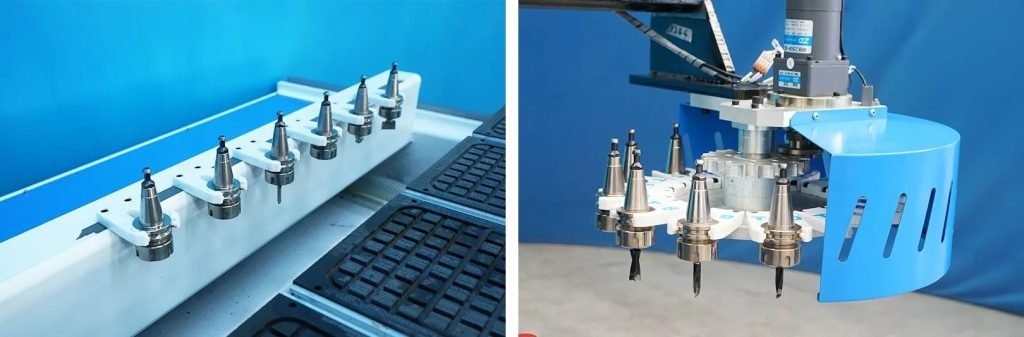
- Linear Magazine: Tools are stored in a straight line along the side or rear of the gantry. Reliable and cost-effective.
- Carousel/Disk Magazine: Tools are stored in a rotating disk near the spindle head. Fastest tool exchange time, premium configuration.
3. Transmission and Linear Motion: Guaranteeing Accuracy
Accuracy is built on the physical mechanics of the machine.
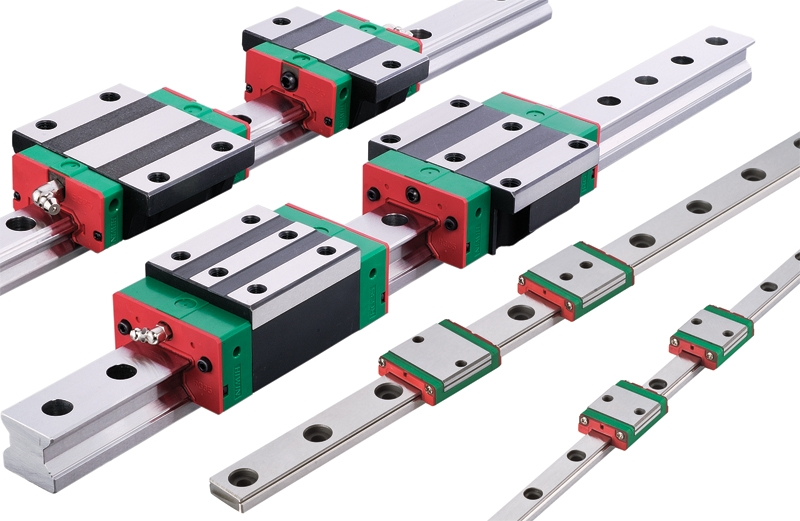
A. Linear Rails
Always insist on heavy-duty, square linear guides from globally recognized brands like Taiwan HIWIN or PMI. Cheap, round rails flex and wear quickly. The industrial square guides provide the high rigidity and low friction required for years of accurate, repeatable motion.
B. Gantry Drive
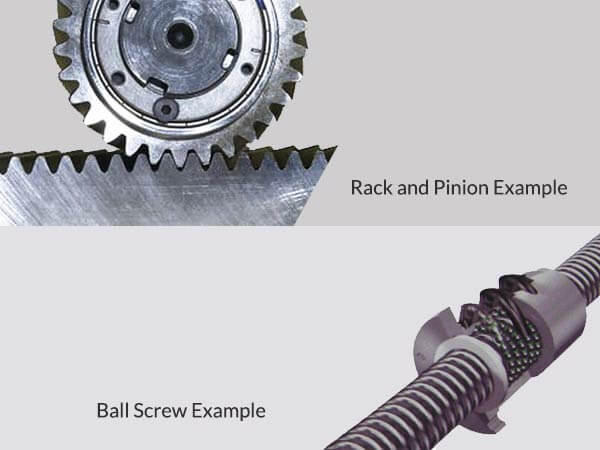
Rack and Pinion: Used on the long X and Y axes. Offers high speed and strength. Look for high-precision helical (angled) racks over straight racks, as they offer smoother motion and less backlash.
Ball Screw: Used on the Z-axis (and sometimes the Y-axis for smaller machines). Provides the highest precision and rigidity, crucial for maintaining constant Z-depth.
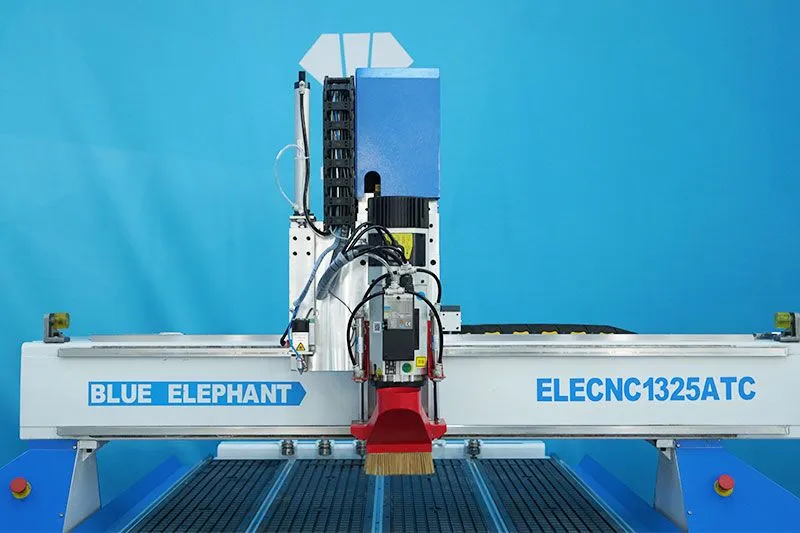
C. Machine Frame
A heavy, welded, and stress-relieved steel frame is paramount. A heavier machine naturally dampens vibration, which translates directly to a smoother cut finish and longer tool life, especially at high speeds. Never buy a lightweight machine for commercial work.
III. Controller, Software, and Accessories
These elements manage the workflow and provide the versatility you need to handle diverse projects.
1. The CNC Controller: The Brain of the Machine
The controller dictates the machine’s interface, reliability, and troubleshooting ease.
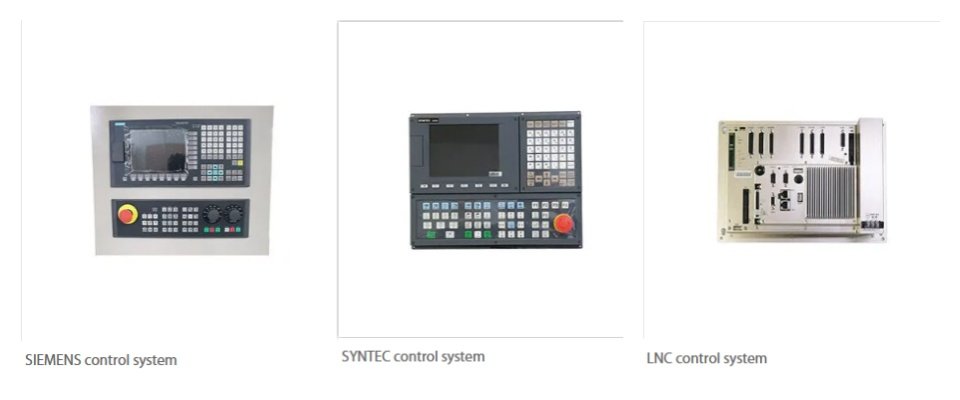
A. Industrial Controller (e.g., Taiwan Syntec, LNC, or OSAI)
Pros: Standalone operating system, highly stable, less susceptible to PC viruses or crashes, user-friendly interface with dedicated buttons, and superior processing power for complex 3D files.
Recommendation: Essential for high-production environments. It is worth the extra cost for the stability and powerful macro functions.
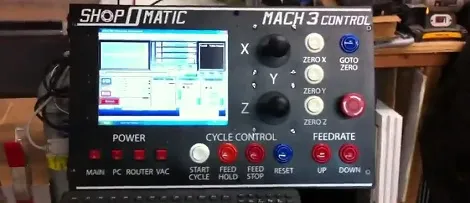
B. PC-Based Controller (e.g., Mach3):
Pros: Low initial cost.
Cons: Requires a dedicated, optimized PC, can be susceptible to Windows issues, and lacks the advanced industrial functions of a dedicated system.
2. Essential Accessories for Efficiency
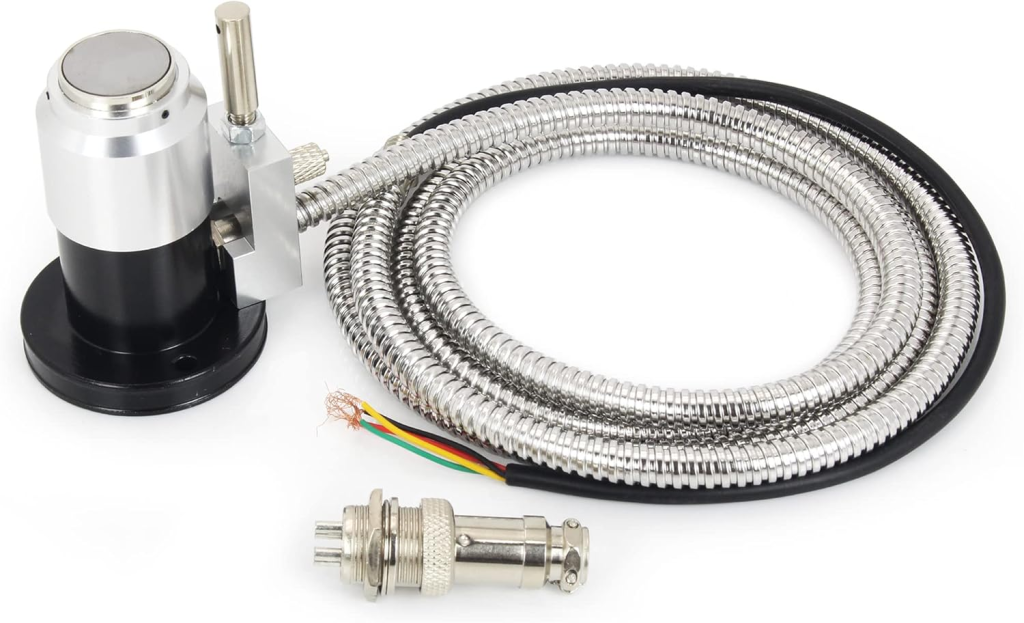
Automatic Tool Sensor (Tool Setter): A small puck on the table used to automatically measure the exact length of each tool. This feature saves immense time and eliminates human error in setting the Z-zero height. Non-negotiable for an ATC machine.
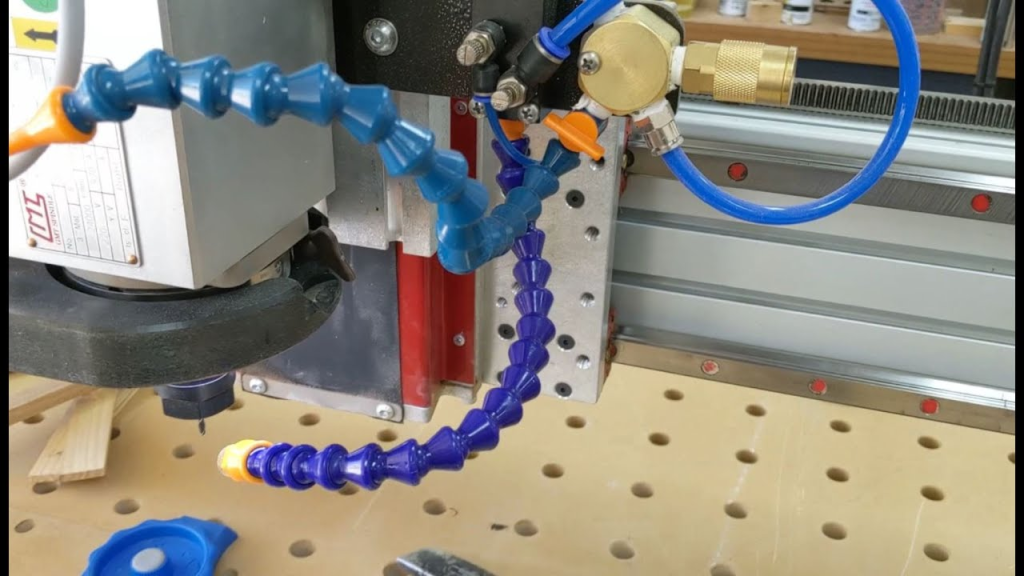
Mist Coolant System: If you plan to cut non-ferrous metals (aluminum, brass) or plastics, a simple mist cooling system is necessary to lubricate the bit and prevent chip buildup and melting.
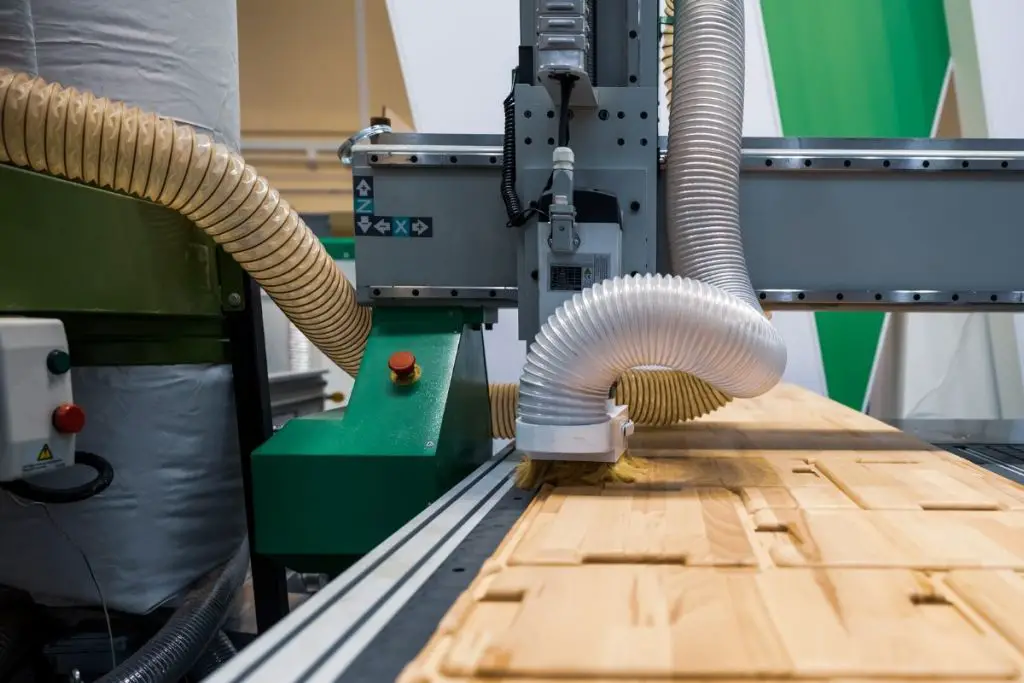
Dust Collection System: Not optional. A powerful dust collector is necessary to maintain a safe shop environment and clear chips from the cutting path for better finish quality.
3. Software Compatibility (CAD/CAM)
Your design (CAD) and toolpath generation (CAM) software must communicate seamlessly with your CNC controller.
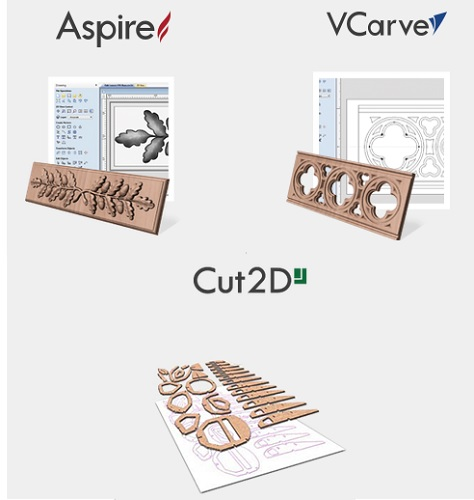
2D/2.5D Work: Software like Vectric VCarve/Aspire is the industry standard for ease of use and powerful 2D/3D carving capabilities.
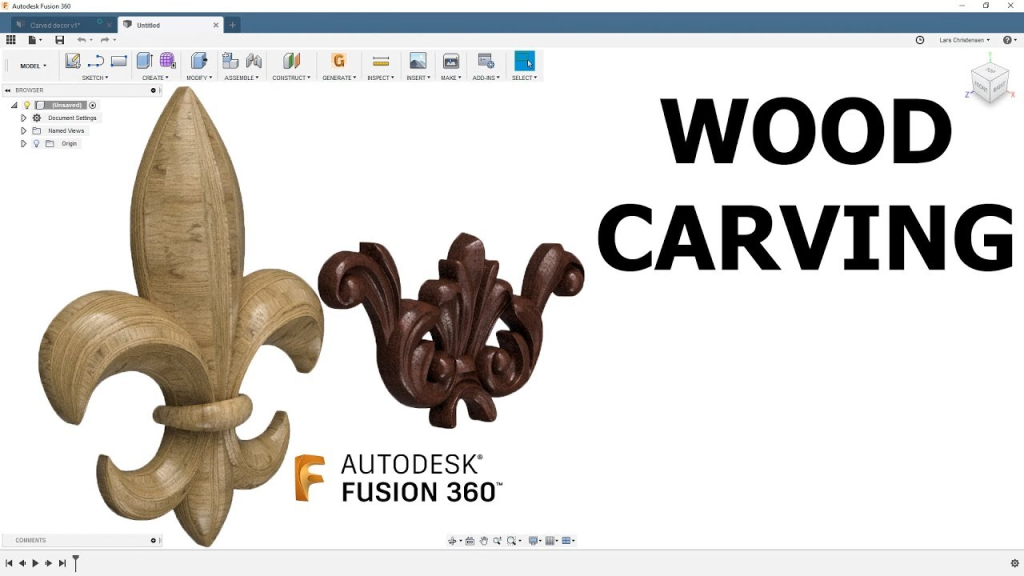
3D/Complex Work: Software like Autodesk Fusion 360 or Mastercam is preferred for generating complex 3D surfaces and managing multi-axis movements.
Our Assurance: We ensure that the Post Processor—the specific translation file that turns CAM output into the machine’s G-code—is perfectly tuned for your chosen controller (Syntec, Mach3, etc.) before the machine leaves our factory.
IV. Investment Security – Quality, Service, Logistics
This addresses the most common customer fears: Investment & Budget and Service & Installation. As your representative, I must be transparent and reassuring about our global process.
1. The Real Value of Direct Chinese Manufacturing
The idea that you must buy local to get quality is outdated. Here is our value proposition:
A. Superior Component Sourcing
We are strategically located to source and integrate the best components globally—Japanese Yaskawa servos, Taiwanese Syntec controllers, German Becker pumps—at the most competitive price point.
B. Cost Efficiency
By dealing directly with us, you bypass the 25% to 40% markup added by local dealers and distributors. You pay for quality components, not layers of middle-man overhead.
C. Quality Control
Our ISO-certified facilities adhere to strict build and testing protocols. Every machine is run, calibrated, and rigorously tested before shipping.
D. Understanding the Build
Insist on seeing the component list. A reputable manufacturer will never hide the brands of their core parts. The names (Yaskawa, Syntec, HIWIN) are your guarantee of industrial quality and easy global serviceability.
2. After-Sales Support: Maximizing Your Uptime
The cost of downtime far exceeds the cost of a spare part. Our service model is designed for maximum uptime:
A. 24/7 Global Technical Support
We offer multi-language, round-the-clock remote assistance. Through specialized software, we can remotely diagnose 99% of software/parameter issues and use video conferencing to guide your team through hardware checks.

B. Installation & Training
We provide comprehensive training options:
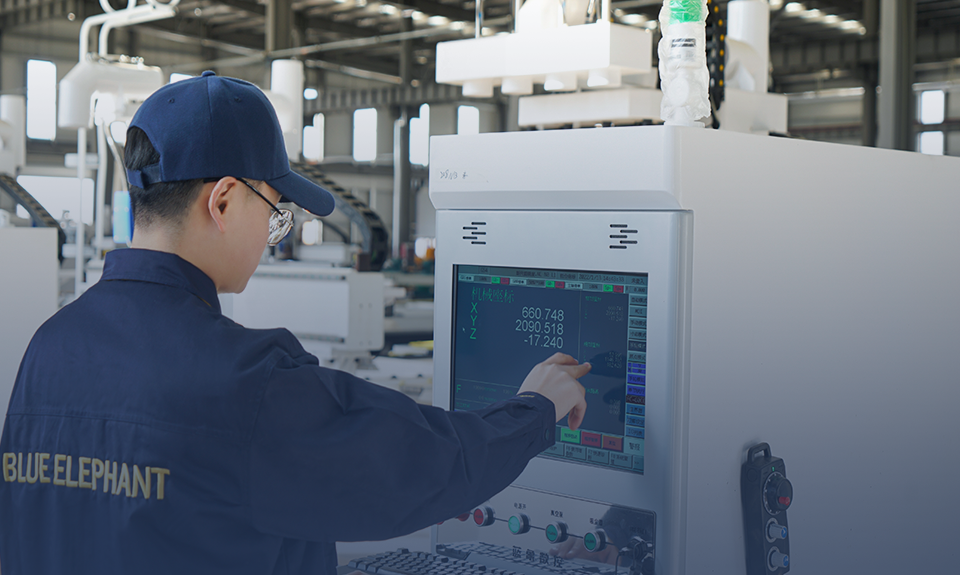
Remote, Guided Training: The most common option, where we guide your team step-by-step through setup and operation via video call.
On-Site Commissioning: For major industrial lines or 5-axis machines, we can send an engineer to your location for hands-on setup and training.
C. Spare Parts Guarantee
We understand logistics. We guarantee quick turnaround times for critical spare parts, shipping them globally via express courier to minimize your waiting time.

3. Making the Final Budget Calculation
When comparing quotes, do not compare the final number. Compare the Cost Per Part over the machine’s expected lifespan (10-15 years).
Cost Per Part = (Initial Cost + Total Labor + Maintenance)/Total Parts Produced
A machine that costs $15,000 more initially but includes an ATC and Servo motors will run twice as fast, require less labor, and have far fewer errors than a cheaper machine. The higher output and lower operational time will make the initial investment the financially superior choice in the long run.
V. Conclusion & Next Step: Build Your Custom Machine
The best CNC router for you is not a generic model; it’s a precisely configured system tailored to your specific materials, desired output, and budget.
My role is to be your expert partner through this process. Don’t waste time on entry-level machines that will only lead to future upgrades and frustration. Invest correctly the first time.
Ready to turn your investment into reliable, high-volume profit?
- Step 1: Tell me your primary material (wood, plastic, aluminum).
- Step 2: Tell me your desired daily/weekly output.
- Step 3: Tell me your rough budget range.
Contact me directly. I will use this information to craft a customized, high-ROI configuration (guiding you on spindle power, ATC necessity, and motor choice) and provide you with a transparent, detailed quotation. Let’s make your next investment a resounding success!
If you’re interested in CNC routers, you might also want to explore:
What Software to Use for CNC Router
What Bits to Use for a CNC Router?
Laser Engraver vs. CNC Router: Which Machine Should You Choose?