
1. Introduction
Stainless steel is one of the most commonly used materials in modern metalworking, but it is also one of the most difficult metals to process. With its high strength, fast cutting speed, corrosion resistance, and recyclability, stainless steel is widely used in many industries, including automotive, sheet metal processing, and construction. For tubular fabrication projects, the grade, wall thickness, and surface condition of stainless steel pipe and tube can also influence laser-cutting speed, edge quality, burr formation, and subsequent welding or assembly. However, it also suffers from severe burrs and low cutting efficiency. This article will provide you with a detailed introduction on how to efficiently laser cut stainless steel.
2. Why Is Laser Cutting of Stainless Steel Difficult?
While laser cutting of stainless steel is very common in modern metal processing, it still presents certain difficulties due to its high reflectivity, high thermal conductivity, and the likelihood of burrs and oxidation. Properly setting machine parameters is crucial; otherwise, the quality and efficiency of laser cutting will be compromised.
2.1 High Reflectivity
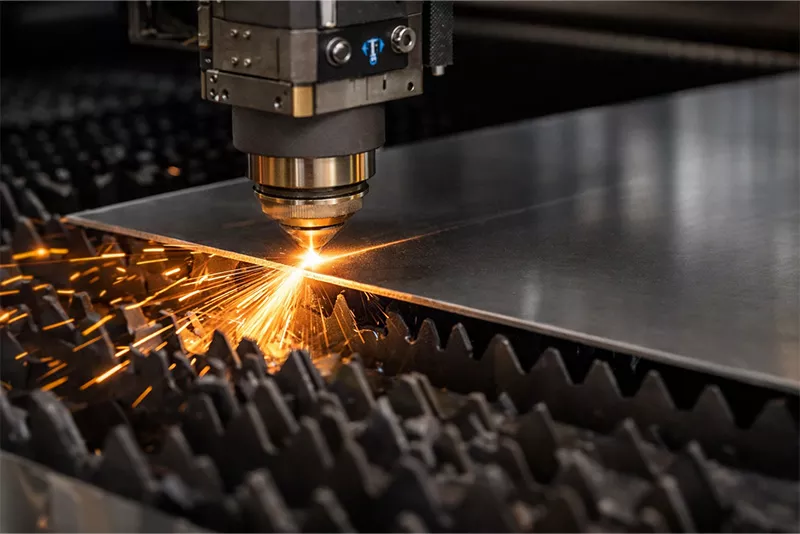
When laser cutting stainless steel, you may encounter problems such as incomplete cuts, slow cutting speeds, and unstable cut edges. This is because stainless steel has high reflectivity; when laser-cut, it reflects some laser energy, resulting in reduced energy utilization and incomplete absorption by the material. This leads to decreased efficiency and speed in laser cutting of stainless steel, and the cutting quality cannot be guaranteed.
2.2 High Thermal Conductivity
Laser cutting of stainless steel, especially laser cutting thick stainless steel, is more challenging due to its high thermal conductivity. Laser cutting requires concentrating energy in a small area to rapidly melt and cut the material, but the high thermal conductivity of stainless steel causes rapid heat dissipation, reducing the efficiency and precision of laser cutting.
2.3 Oxidation and Burr Formation
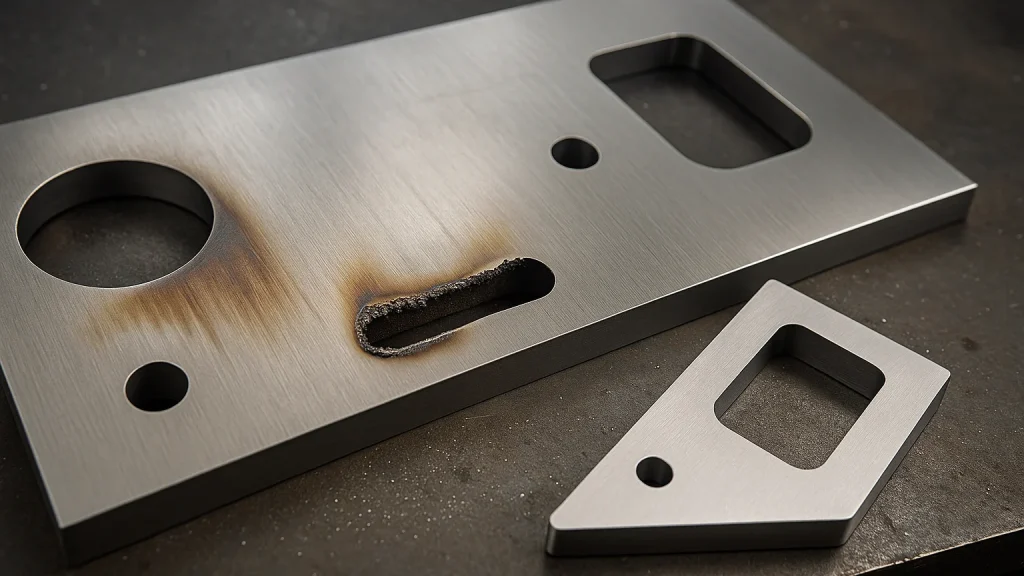
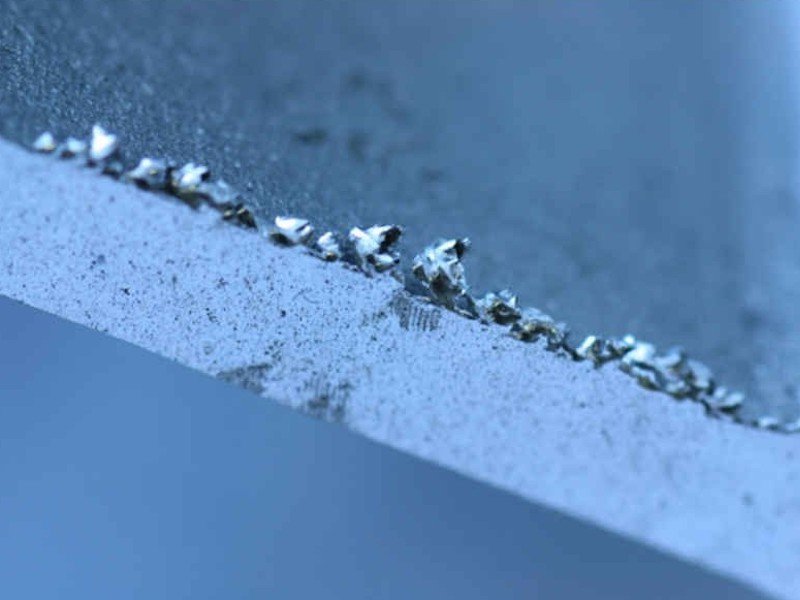
When laser cutting stainless steel, if oxygen is chosen as the assist gas, the stainless steel edges will oxidize and blacken under high temperatures, resulting in an unsightly appearance. Burrs can also occur; nozzle damage and insufficient air pressure can both cause burrs during laser cutting. Oxidation and burrs increase the difficulty and cost of subsequent edge polishing and finishing.
3. How to Efficiently Laser Cut Stainless Steel?
At this point, you might be wondering, “So how to efficiently laser cut stainless steel?” To improve the efficiency of laser cutting stainless steel, you need to consider not only the machine you choose, but also its cutting speed, laser power, nozzle configuration, and the assist gas you select, among other factors, to help you achieve efficient laser cutting of stainless steel.
3.1 Laser Power Selection
To achieve efficient laser cutting of stainless steel, choosing the best laser power for stainless steel is crucial. Different thicknesses of stainless steel require different laser powers. Insufficient laser power will prevent the stainless steel from being penetrated, resulting in incomplete cuts. Excessive laser power will cause scorching of the cut edges and deformation of the stainless steel. Therefore, you need to select the appropriate laser power to ensure the desired cutting effect and efficiency. How to choose laser power for stainless steel?The table below shows the corresponding laser powers for different thicknesses of stainless steel.
| Stainless Steel Thickness | Recommended Laser Power |
| 1 mm | 1–2 kW |
| 3 mm | 2–3 kW |
| 5 mm | 3–6 kW |
| 10 mm | 6 kW and above |
3.2 Cutting Speed Optimization
Choosing the appropriate cutting speed is also important for the efficiency of cutting stainless steel with laser. If the cutting speed is too fast, the laser beam will not have enough time to melt the stainless steel, resulting in incomplete cuts and rough edges with burrs. A slow cutting speed not only leads to excessive heat buildup and thermal deformation but also reduces overall laser cutting efficiency. Therefore, you need to choose the optimal laser cutting speed to improve both efficiency and quality.
3.3 Assist Gas Selection
Another crucial point is choosing the right assist gas to remove molten metal. Different production needs require different assist gases. Nitrogen is the most commonly used assist gas for stainless steel laser cutting, preventing oxidation and producing clean, aesthetically pleasing edges, but it is more expensive. Oxygen is better suited for thicker stainless steel sheets, offering strong penetration, but it is prone to oxidation. Air has lower operating costs, but cutting quality cannot be guaranteed. You can choose the appropriate assist gas based on your production needs to improve efficiency.
3.4 Focus Position and Nozzle Settings
The correctness of the laser focus position and nozzle parameter settings also affects the efficiency of laser cutting stainless steel. Incorrect focus can result in incomplete material penetration and burrs on the cut edges. Improper nozzle parameter settings can lead to unstable airflow and slag accumulation. Therefore, you need to set the nozzle parameters properly and correctly focus the laser beam to improve the production efficiency and cutting quality of laser-cut stainless steel.
3.5 Material Surface Quality
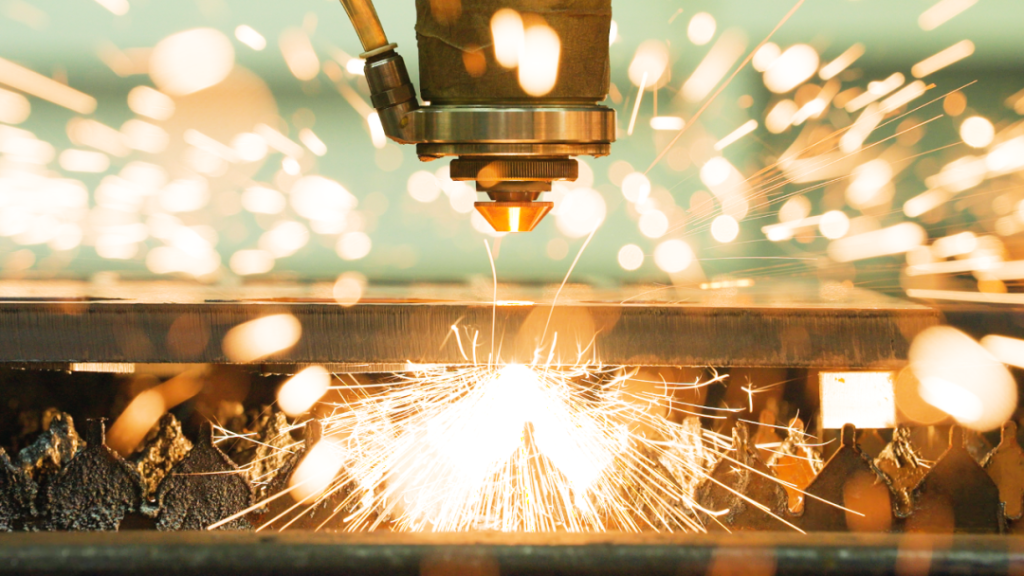
If the stainless steel material you are laser-processing has oil or rust on its surface, it will significantly impact the performance of the laser cutting process. This will result in more spatter, poor cut edge quality with burrs, and even highly polished stainless steel will cause laser energy reflection, reducing cutting precision. Uneven material surfaces will lead to inconsistent cutting depths. Therefore, you should choose smooth, dust-free stainless steel to achieve good cutting results and improve production efficiency.
3.6 Choose Suitable Laser Cutting Machine
Modern industrial manufacturing demands ever-increasing production efficiency. To achieve efficient laser cutting of stainless steel, choosing the right laser cutting equipment is paramount. Currently, the most widely used laser cutting methods on the market are fiber lasers and CO₂ lasers. Below, I will provide a detailed comparison of fiber laser vs CO2 laser for stainless steel.
3.6.1 Fiber Laser
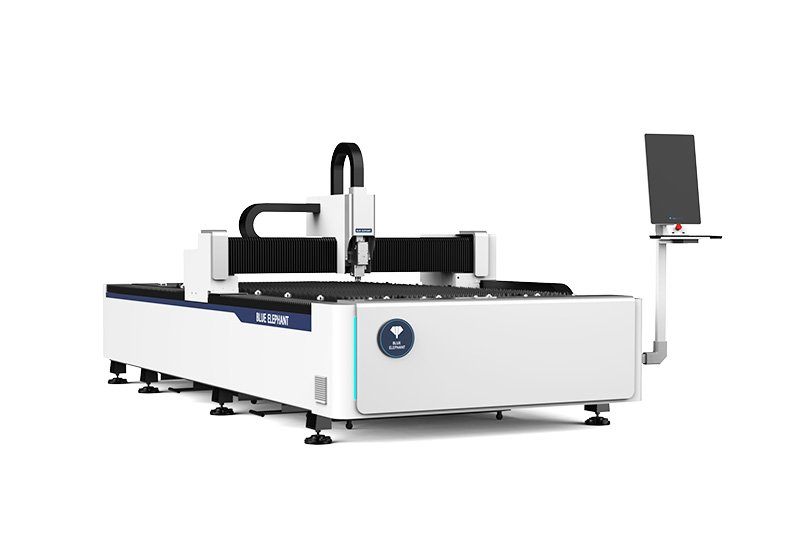
Fiber laser cutting machines cut stainless steel by transmitting a laser beam through optical fibers, which rapidly melts the stainless steel to achieve high-precision cutting. This laser cutting method offers faster cutting speeds, higher cutting accuracy, higher energy utilization, and lower maintenance costs, making it more suitable for automated factory production. However, the initial investment cost of fiber laser cutting machines is higher, but in the long run, the potential profits are higher.
3.6.2 CO2 Laser
CO₂ laser cutting machines take longer to cut stainless steel, especially when processing thicker sheets. While CO₂ laser cutting technology is mature and produces stable, smooth cuts, it utilizes a mirror to transmit the laser light generated by CO₂ gas excitation to the cutting head. However, compared to fiber laser cutting machines, CO₂ lasers consume more energy and have higher maintenance costs, resulting in slower cutting efficiency when processing thin stainless steel sheets.
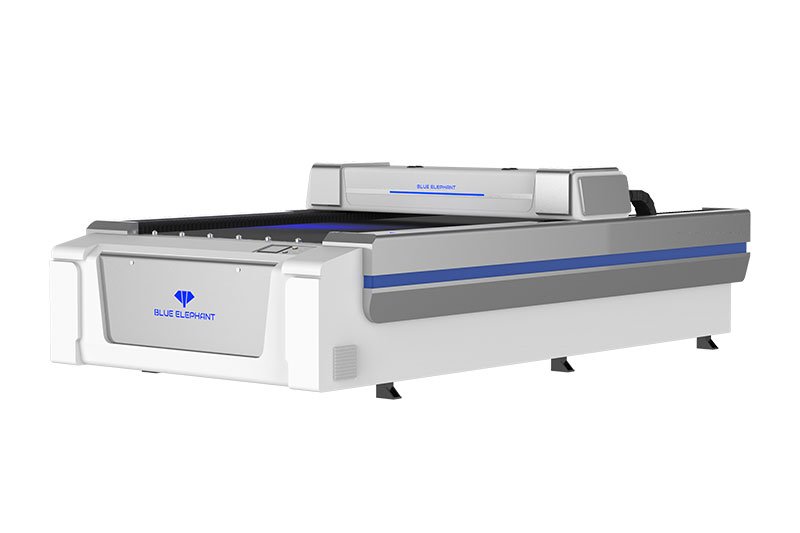
Looking at future trends, fiber laser cutting machines are increasingly becoming the mainstream choice for manufacturers in the stainless steel processing field.
4. Safety Precautions for Laser Cut Stainless Steel
While stainless steel laser processing is highly efficient and aesthetically pleasing, it also generates high-temperature molten metal, fumes, and harmful gases. Without prior protection, this can endanger the health of operators. Below are some safety precautions for laser cutting stainless steel that you can implement in advance.
4.1 Laser Protection
When laser cutting stainless steel, the laser cutting machine generates a large amount of high-energy laser beams. Prolonged exposure to this working environment can damage the eyes and skin of operators. Therefore, it is necessary to provide operators with laser safety glasses and equip the equipment with enclosed protective covers to ensure employee safety.
4.2 Fume Control
Laser cutting of stainless steel also generates a large amount of fumes and harmful gases. If these are inhaled by operators, they will affect their health. Failure to remove these contaminants promptly will also affect machine operation. Therefore, you should install a dust collection system to reduce air pollution in the production workshop, ensuring operator safety and allowing for long-term stable machine operation.
4.3 Ventilation System
Installing only a dust removal system may not be enough to guarantee safety. If the workshop has poor ventilation, the air cannot circulate completely, harmful gases cannot be completely expelled, and the machines cannot dissipate heat effectively, there will still be safety hazards. Therefore, you also need to install a ventilation system to keep the air circulating.
4.4 Operator Training
When cutting stainless steel sheets, untrained or inexperienced operators may make mistakes such as incorrect laser cutting settings for stainless steel and improper equipment use, potentially leading to safety malfunctions. Therefore, systematic operator training is essential, including parameter settings, safe operating procedures, troubleshooting skills, and the basic operating principles of the machine. This is a necessary step to ensure safety.
5. Common Problems and Solutions of Laser Cut Stainless Steel
You will also encounter some problems when laser cutting stainless steel. The table below lists some common problems and solutions, which I hope will be helpful.
| Problem | Cause | Solution |
| Burnt Edges | Low speed or excessive power | Increase speed or decrease power |
| Severe Burrs | Unsuitable speed | Adjust cutting speed |
| Serrated Edges | Dirty nozzle or misaligned beam | Clean the nozzle or adjust the beam |
| Board Deformation | Too much calories | Optimize path |
| Oxidized Edges | Oxygen as an auxiliary gas | Nitrogen as an auxiliary gas |
6. FAQ
Q1. Does Laser Cutting of Stainless Steel Require Post-Processing?
It also depends on the assist gas used. If nitrogen is used, the cut edges are generally aesthetically pleasing and smooth, requiring no post-processing. If oxygen is used, oxidation and blackening may occur, requiring further processing.
Q2. How Often Should Laser Cutting Nozzles Be Replaced?
There is no set replacement interval for laser cutting nozzles; rather, they should be inspected regularly for damage or deformation to prevent decreased cutting precision or burr formation.
Q3. Is Fiber Laser Cutting Suitable for Thin Stainless Steel Sheets?
Yes, it’s very suitable. Fiber laser cutting machines offer high cutting precision and speed, making them suitable for precision machining and ideal for processing thin stainless steel sheets.
Q4. Will Laser Cutting Damage Stainless Steel?
Improper operation, such as excessive laser power or incorrect laser beam focus, can damage stainless steel. Therefore, you must set the machine parameters properly and select the appropriate assist gas.
Q5. Which Industries Typically Use Stainless Steel Laser Cutting?
Stainless steel laser cutting is widely used in sheet metal processing, construction, automotive, aerospace and medical equipment industries.
7. Conclusion
By now, you understand how to efficiently laser cut stainless steel and which laser cutting machine to choose to improve your production efficiency. Want to enhance your stainless steel laser cutting capabilities? Blue Elephant’s laser cutting machine series is the ideal choice. We have been professionally manufacturing laser cutting machines for 16 years, and our machines meet international standards such as CE. Contact Blue Elephant to discuss and customize your stainless steel laser cutting solution.
More blogs about laser cutting stainless steel:
Best Stainless Steel Laser Cutting Machines & Projects
2mm Stainless Steel Online Laser Cutting
Fiber Laser Cutting Machine Cutting 2mm and 8mm Stainless Steel