
Unstable workholding ruins CNC nesting efficiency. Learn to choose the right CNC router vacuum table to ensure stable negative-pressure clamping.
1. Do You Need a CNC Router Vacuum Table?
1.1 What Is a CNC Router Vacuum Table?
A CNC router vacuum table is an industrial workholding system. It uses negative pressure to hold flat materials. This system works alongside traditional mechanical clamps and improves production efficiency. It is widely used in manufacturing environments.
1.1.1 How Does a CNC Router Vacuum Table Work?
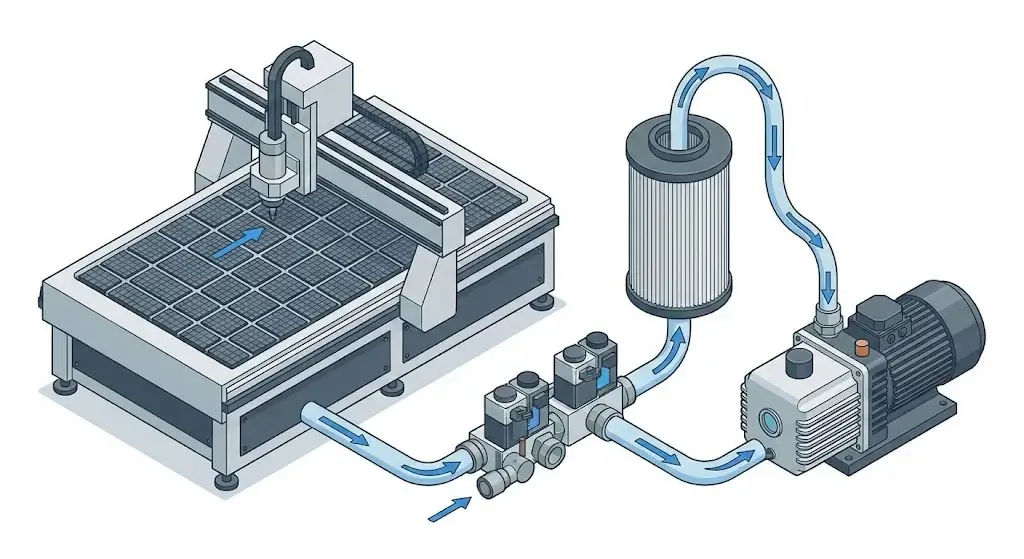
CNC Router Vacuum Pump Flowchart
The system creates a low-pressure zone beneath your material, allowing atmospheric pressure to clamp it down. First, the pump sucks air from the table’s grid channels, creating a continuous suction that draws air right through the porous MDF spoilboard. The moment a sheet covers the bed, atmospheric pressure pushes down from above, locking the material.
1.1.2 Main Components That Affect Performance
A heavy-duty CNC vacuum system relies on five core hardware components:
- Vacuum Pump: Generates negative airflow.
- Table Base: High-density PVC or phenolic resin grid, precision-milled to support workpieces.
- Airflow Channels: The integrated grid network that distributes suction beneath the sheet.
- Gaskets: Rubber or foam cords that seal off specialized cutting zones.
- Vacuum Zones: Valve-controlled matrix sections.
1.2 When Does a Vacuum Table Make Sense?
A vacuum table is a major upgrade, but it is not a one-size-fits-all solution. Here is a quick checklist to see if it fits your workshop:
1.2.1 Suitable Scenarios:
- Cabinet & Panel Furniture Making: Standard for cutting plywood, MDF, melamine, acrylic, or PVC sheets. These materials share essential traits like uniform flatness and airtight surfaces, allowing negative pressure to lock them down.
- High-Volume Nesting: Suitable for operations requiring fast, continuous loading and unloading to boost daily output.
- Automation Focus: Used to minimize manual labor and maximize safe, hands-free cutting.
1.2.2 Less Suitable Scenarios :
- Heavy, Irregular, or Textured Materials: Ineffective for thick, warped, live-edge logs, heavy metals, or textured composites. These materials share flaws like uneven surfaces or excessive weight, requiring traditional physical clamping.
- Highly Porous Materials: Inefficient for breathable foams or open-cell substrates that leak air.
1.3 Factory Industrial vs. DIY Vacuum Tables
Attempting to build a vacuum table for CNC router workshops can create massive hidden performance problems and extra costs. A homemade or DIY CNC router vacuum table suffers from chronic suction loss. DIY wooden tables often lose vacuum through small gaps. Airflow is also uneven, which weakens edge holding power. Parts may shift during cutting, leading to material waste.
Industrial vacuum tables are more stable. In most production setups, they are preferred for their controlled airflow design and rigid construction, which provide more consistent holding force.
2. Key Buying Factors: How to Choose the Right Vacuum Table
2.1 Multi-Zone Management: Stop Wasting Vacuum Power and Electricity
Unzoned tables are energy hogs. Placing small workpieces on a large, undivided bed causes massive vacuum loss through the exposed grids. This problem wastes cutting area of suction and increases electric bills.
To fix this problem, you should always buy a table with 4 or 6 independent vacuum zones. You can use manual ball valves to shut down the idle sections of the table. This simple adjustment concentrates 100% of the suction precisely where you cut.
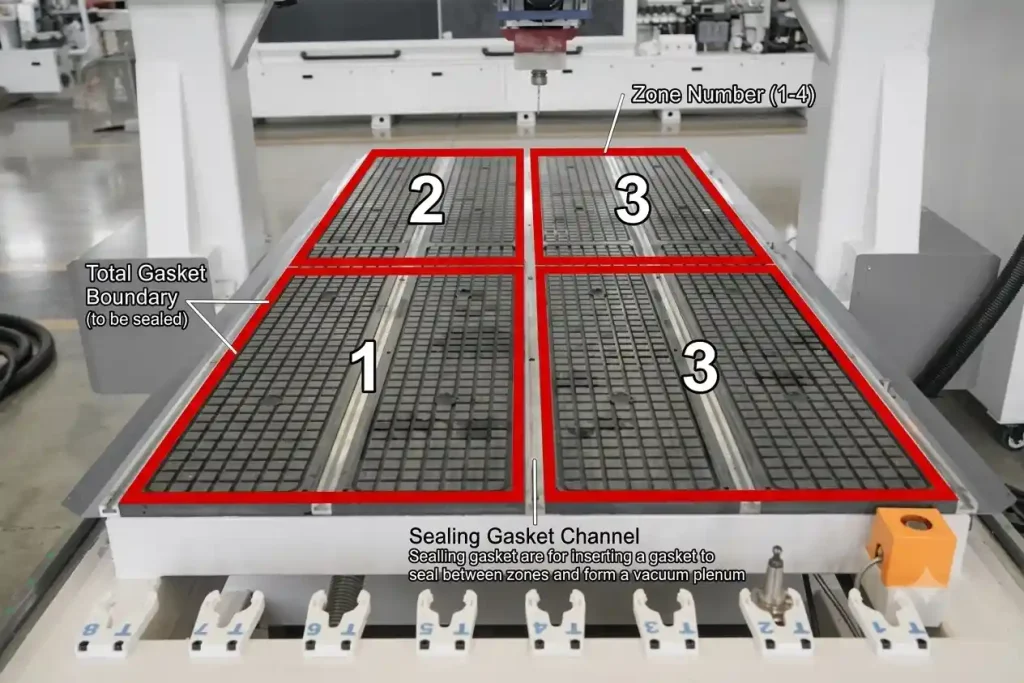
CNC Router Vacuum Table Zones
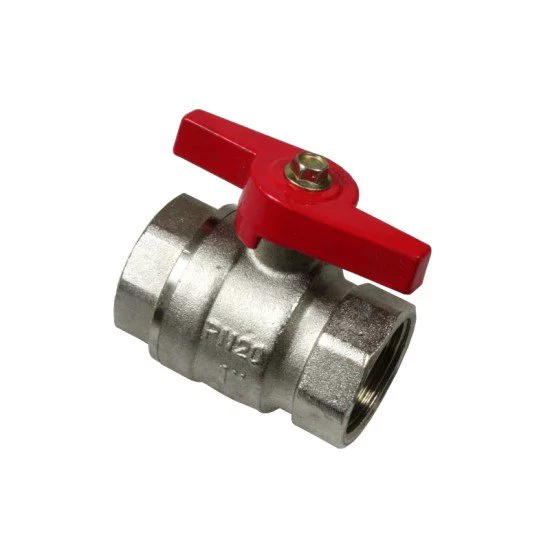
CNC Router Vacuum Table Manual Ball Valve
2.2 Table Style Selection: Grid Gasket vs. Full-Sheet Spoilboard
Securing your work depends entirely on your material profile. Choose your setup based on these two main production methods:
- Grid Style with Rubber Gasket: Press a rubber gasket into the grid lines to form a customized, continuous closed loop beneath the part. This concentrates high vacuum pressure on a tiny surface area with zero leakage. This material is mostly used for delicate, smaller workpieces like acrylic signage or plastic lettering.
- Full-Sheet Table with Spoilboard: Place a porous MDF spoilboard over the entire zoned grid. The vacuum pulls right through the fiberboard, allowing you to nest full sheets of plywood or melamine without physical clamps. It is standard for high-volume cabinet making.
2.3 Table Material: High-Density Phenolic vs. Aluminum Grid
Your choice of CNC router vacuum table material impacts operational safety, rigidity, and sealing performance. Most heavy-duty nesting setups use high-density PVC or solid phenolic matrices instead of aluminum:
- PVC and Phenolic: These materials offer strong structural stability. In most industrial applications, they remain dimensionally stable under negative pressure and do not warp. If an operator programs an incorrect Z-axis depth, the router bit safely cuts into the plastic grid without snapping the tool.
- Aluminum Grids: Aluminum offers maximum rigidity for cutting heavy metals. But the tool collision is dangerous. A rogue router bit will ruin the expensive metal grid surface.
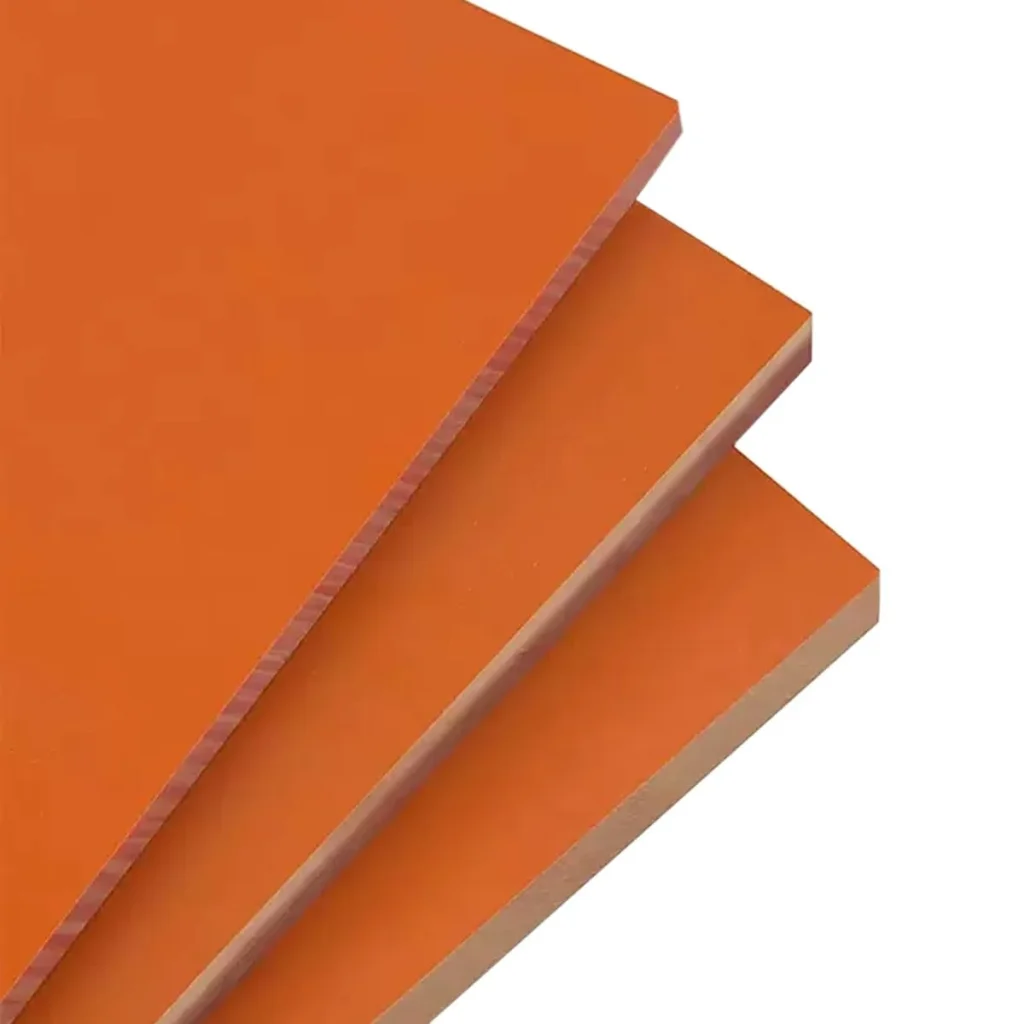
High-Density Phenolic Matrix Board
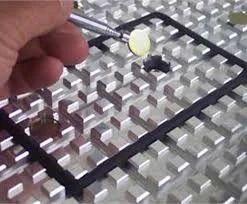
Aluminum Grid Vacuum Table for CNC Router
2.4 Match the Table Size to Router Capacity
Matching table size to router capacity requires integrated design.
Large tables need wider air manifold diameters to maintain consistent air volumes across outer corners. This prevents suction drops that cause parts to shift.
The chassis must possess high structural rigidity. This strength withstands the immense downward pressure from vacuum suction, as flexing frames will ruin Z-axis depth accuracy.
Combined thickness of the vacuum table and spoilboard stack-up must leave sufficient Z-axis clearance. This space beneath the gantry ensures the machine can safely process the thickest intended materials.
For most industrial users, 4×8 CNC router with vacuum table remains the most common and cost-effective standard, especially for cabinet and sheet-based production lines.
2.5 Selecting the Right Vacuum Pump
2.5.1 Airflow vs. Vacuum Pressure
Selecting a vacuum pump requires balancing airflow for leakage control against pressure for holding power.
Roots blowers move massive air volumes to handle constant leakage. This high airflow makes them ideal for cabinet nesting lines cutting porous MDF panels. However, they generate extremely high noise levels.
Regenerative blowers utilize high-speed air vortices. They offer the lowest procurement costs and require zero mechanical maintenance. This makes them the standard entry-level choice for general woodworking. We generally recommend this option for budget-conscious users, though its holding pressure remains relatively low.
Dry rotary vanes deliver maximum holding force for small, intricate parts or dense acrylics. However, they carry high maintenance costs. Fine woodworking dust is dangerous, as particles can bypass filters and shatter the internal carbon vanes.
Liquid ring pumps use water as an internal seal to deliver high pressure and stable airflow. The water traps and flushes out fine dust, making them immune to dust wear. They remain the most versatile choice for all workpiece sizes despite their higher noise.
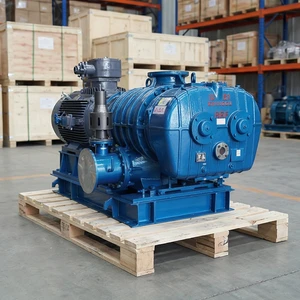
Industrial Roots Blower Vacuum Pump System
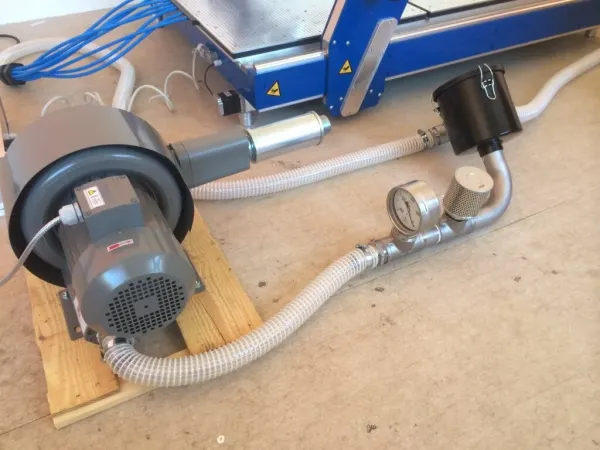
CNC Router Vacuum Pump Regenerative Blower
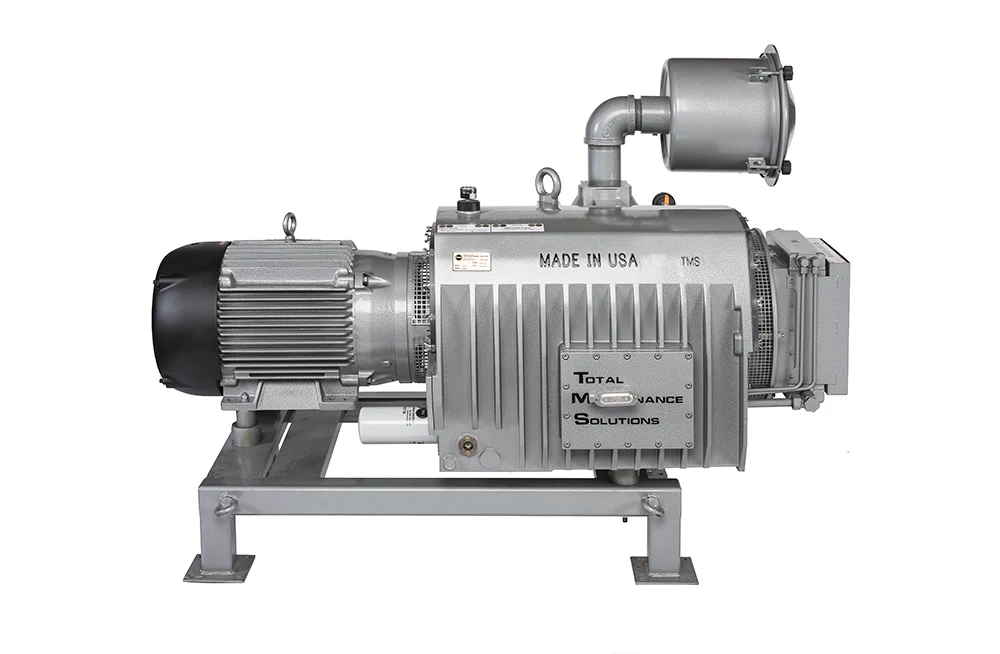
Dry Rotary Vane Vacuum Pump for Industrial CNC
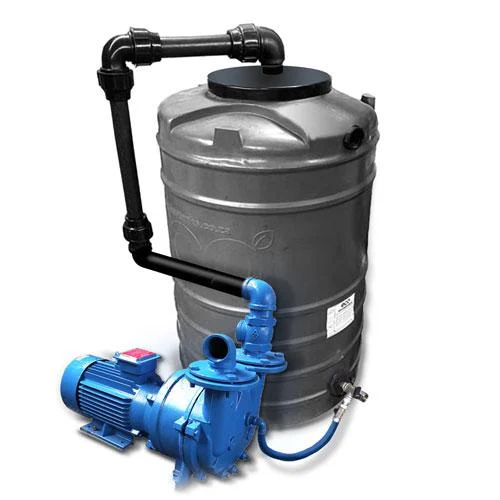
Liquid Ring Vacuum Pump with Water Tank for CNC Router
2.5.2 Crucial Specification Reference Table
Wrong pump sizes ruin materials and waste electricity. Use this industrial reference table to match your CNC bed size with the right vacuum pump.
CNC Bed Size & Vacuum Pump Matching Guide
| Specification | 1325 | 1530 | 2030 | 2040 |
| Bed Dimensions (Feet) | 4 x 8 | 5 x 10 | 6 x 10 | 6 x 12 |
| Recommended Power | 5.5 kW | 7.5 kW | 7.5 kW | 11.0 kW |
| Engine Horsepower | 7.5 HP | 10.0 HP | 10.0 HP | 15.0 HP |
| Minimum Target Pressure | -0.03 to -0.08 MPa | -0.08 MPa | -0.085 MPa | -0.09 MPa |
| Recommended Pump Style | Regenerative Blower / Liquid Ring |
Liquid Ring / Roots Blower |
Liquid Ring / Roots Blower |
Dual Liquid Ring Setup |
2.5.3 Attention: Global Grid & Voltage Compatibility
Vacuum pumps consume massive power. You cannot easily run a 7.5 kW motor on standard shop transformers later. Your electrical configuration requires factory customization before shipping to match your regional grid:
- North America: 3-Phase 220V, 240V, 480V, or 600V at 60Hz.
- Europe & Australia: 3-Phase 400V or 415V at 50Hz.
Never run a 50Hz pump on a 60Hz grid. Mismatched frequency forces wrong motor RPM, cutting suction power and burning out expensive internal coils within months.
2.6 Total Cost of Ownership (TCO)
A vacuum table budget includes ongoing operational expenses. About true lifetime costs, there are two maintenance requirements factors:
- Spoilboard Skinning: MDF sheets act as your vacuum table sacrificial layer, but they scar during every cutting cycle. You must routinely resurface both sides using a flycutter to restore flatness, consuming labor and shortening board lifespans.
- Gasket Maintenance: The rubber CNC router vacuum table gasket works under constant compression and dust exposure. Over time, the rubber loses its elasticity. Mismatched or leaky gaskets ruin pressure, requiring regular replacement.
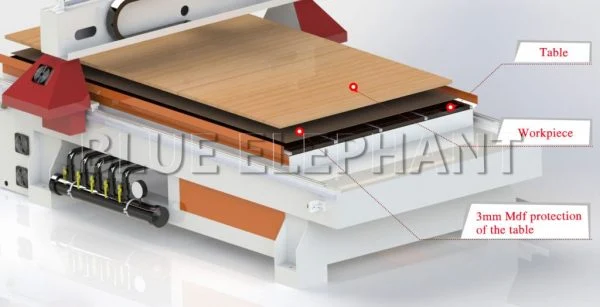
MDF Spoilboard to Protect Vacuum Worktable
3. Sourcing Checklist
When evaluating any cnc router vacuum table for sale, copy and paste these five critical validation questions to your machinery vendor:
- Material: Solid phenolic matrix or standard aluminum?
- Zones: How many independent vacuum zones are integrated?
- Pump: Dry vane or industrial liquid-ring?
- Grid: Factory-customized to my local voltage and hertz?
- Spares: Are initial gaskets and flycutters included?
4. FAQ
Q1: T-Slot vs. Pure Vacuum vs. Hybrid: Which Bed Fits My Shop?
It depends on setup speed and material versatility:
- Standard T-Slot: Slow setup but high versatility. It uses mechanical clamps, making it ideal for heavy solid wood, aluminum, and irregular parts.
- Pure Vacuum Matrix: Instant setup. It uses negative pressure to lock flat sheets in seconds, perfect for cabinet nesting and MDF. Pure vacuum tables are fast but struggle with lateral shear resistance when cutting heavy, narrow, or highly irregular workpieces. If the seal breaks, materials shift and ruin.
- Hybrid Table: Our top recommendation for SMEs. By embedding aluminum tracks into a PVC grid, it secures full sheets via vacuum or heavy parts via clamps, delivering dual ROI on one investment.
Q2: How Do I Choose the Right CNC Vacuum Pump for My Workshop?
Balance airflow and holding pressure based on your materials. Liquid-ring pumps or roots blowers best handle fine wood dust, while dry rotary vane pumps suit non-porous acrylics but require strict filtration.
Q3: What Is the Best Material for a Vacuum Table Sacrificial Layer?
Medium-Density Fiberboard is the industry standard. High-density MDF is naturally porous, allowing suction to pull through and lock down plywood or melamine.
Q4: When Should I Choose a Matrix Vacuum Table over a Dedicated Vacuum Clamping System?
Matrix tables suit high-volume full-sheet nesting. Conversely, a dedicated vacuum clamping system with raised pods is better for heavy, 3D-shaped parts, solid wood doors, or edge-profiling where tools require side clearance.
Q5: Can a Standard Vacuum Table Pump Hold Small or Narrow Workpieces?
Yes, but small parts easily shift due to low surface area. Avoid full spoilboards; instead, route a customized closed-loop gasket into the grid channels to concentrate 100% of the suction directly underneath.
Q6: How Do I Maintain Strong Vacuum Suction During Long or Dusty Cutting Runs?
To maximize holding power, vacuum out the matrix tracks daily. This prevents MDF dust from blocking the rubber gaskets and causing chronic leaks.
During operation, open nesting grooves can bleed air and cause workpiece vibration. If this happens, cover the exposed channels with scrap laminates or plastic film. This quick action seals the leaks and forces suction back under the material.
5. Final Thoughts
Choosing the right CNC router vacuum table directly impacts cutting accuracy, efficiency, and material yield. If you need a tailored system, we provide vacuum table solutions with pump matching, voltage customization, and export-ready configurations. Explore more at Blue Elephant CNC to configure a reliable setup for your production needs.
You might also want to know:
- CNC Router-The Ultimate Guide for Beginner and Expert
- How To Use a CNC Router Machine?
- The Ultimate CNC Machine Maintenance Checklist