
Hello everyone! I’m one of the after-sales engineers here at Blue Elephant CNC. If you work with metal—whether restoring old parts, prepping materials for welding, or just dealing with the inevitable issue of rust—you’ve probably spent countless hours sanding, grinding, or soaking components in chemicals.
We hear it all the time: “There must be a better, cleaner, faster way to remove rust.”
The answer is a resounding Yes! It’s called Laser Cleaning, and it’s quickly becoming the industry standard. As a professional laser equipment manufacturer collaborating with thousands of clients, we’ve seen this technology revolutionize maintenance and metal preparation.
Let’s dive into why laser cleaning is not just a good way, but arguably the best way to remove rust from metal.
I. How Does Laser Cleaning Work?
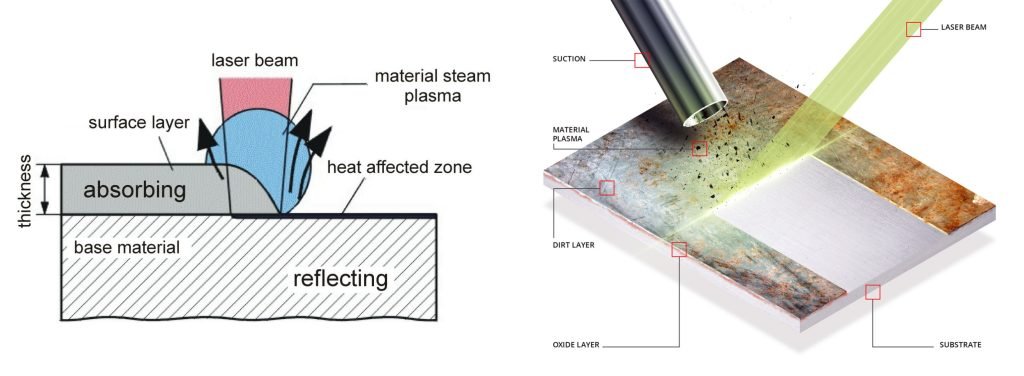
Forget abrasive wheels and harsh solvents. Laser cleaning works through a process called ablation. It sounds technical, but the principle is beautifully simple:
The Four-Step Process
- High-Energy Pulse: A powerful, focused laser beam (usually from a fiber laser) is directed at the rusted surface.
- Absorption: The rust (iron oxide) and other contaminants (paint, oil, grime) strongly absorb this specific wavelength of laser energy.
- Vaporization: Because contaminants absorb energy much more efficiently than the clean base metal beneath, the rust layer instantly heats up and vaporizes into a harmless plasma or fine dust.
- Self-Limiting Effect: Once the laser hits the clean, shiny base metal, the metal reflects the laser light. This makes the process self-limiting—the laser stops its effect the instant the rust is gone, preventing any damage to the underlying material.
II. Why Laser Cleaning is the Modern Standard
Compared to sandblasting, chemical baths, grinding and other traditional methods, laser cleaning is not merely an alternative technology but a comprehensive upgrade in efficiency, quality, and sustainability. It redefines the standard of “cleaning,” providing unprecedented solutions for high-end manufacturing and maintenance.
1. Non-Contact & Non-Abrasive
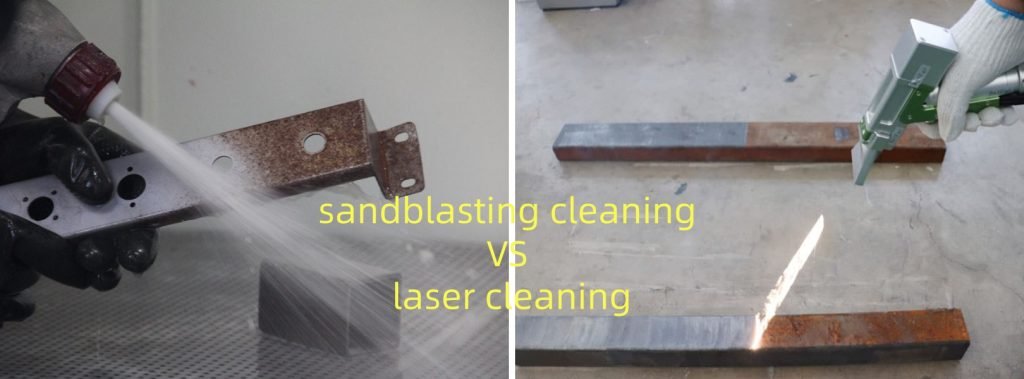
- Traditional: Sandblasting is abrasive and removes healthy base metal. Grinding creates heat and gouges the surface. Chemicals leave residue.
- Laser Cleaning: The laser beam touches only the contaminant. No physical contact means no wear or damage to the underlying component, maintaining its structural integrity and surface finish.
2. Environmentally Friendly
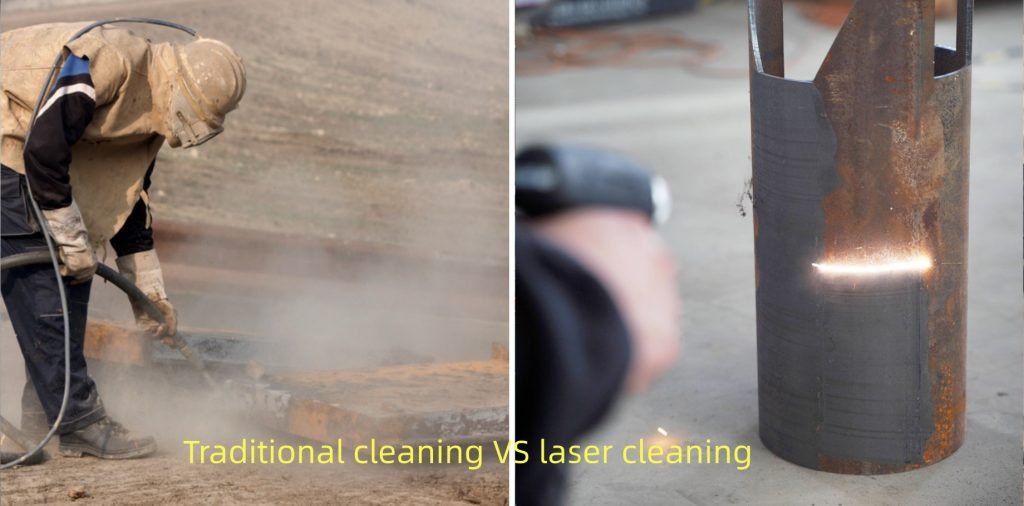
- Traditional: Creates huge amounts of dust, toxic chemical waste, and requires complex disposal procedures.
- Laser Cleaning: A clean process. The vaporized material is contained by a built-in vacuum extraction system, leaving behind only a small amount of collected particulate that is easy to dispose of. No consumables (like sand or chemicals) are needed.
3. Precision and Versatility
- Traditional: You can’t sandblast inside a tight corner or precisely remove paint from one side of a weld joint.
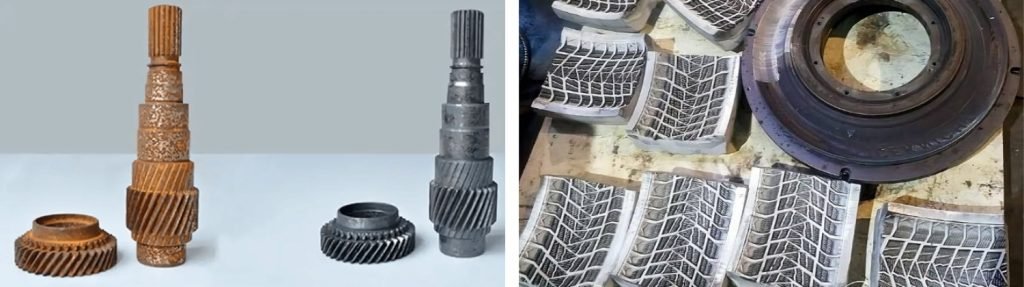
- Laser Cleaning: The laser spot can be incredibly precise, allowing you to clean selective areas on complex geometry, tight corners, and even delicate parts like threads or precision tooling. It removes not just rust, but also paint, thermal oxides, oil, and coating layers.
4. Cost-Effective and Efficient
- Traditional: High labor costs, constant replacement of abrasive media, chemical purchasing, and downtime for curing/drying.
- Laser Cleaning: Low operating costs, minimal maintenance, and high speed. The process is often instantaneous, meaning faster turnaround times for your projects.
III. Key Applications for Laser Rust Removal
The versatility of laser cleaning extends far beyond simple rust removal, making it a valuable tool across numerous industries for precision cleaning and surface preparation.
1. Industrial Manufacturing & Maintenance
- Welding Preparation: Perfectly removes mill scale, oil, and rust for superior weld quality and strength, eliminating porosity.
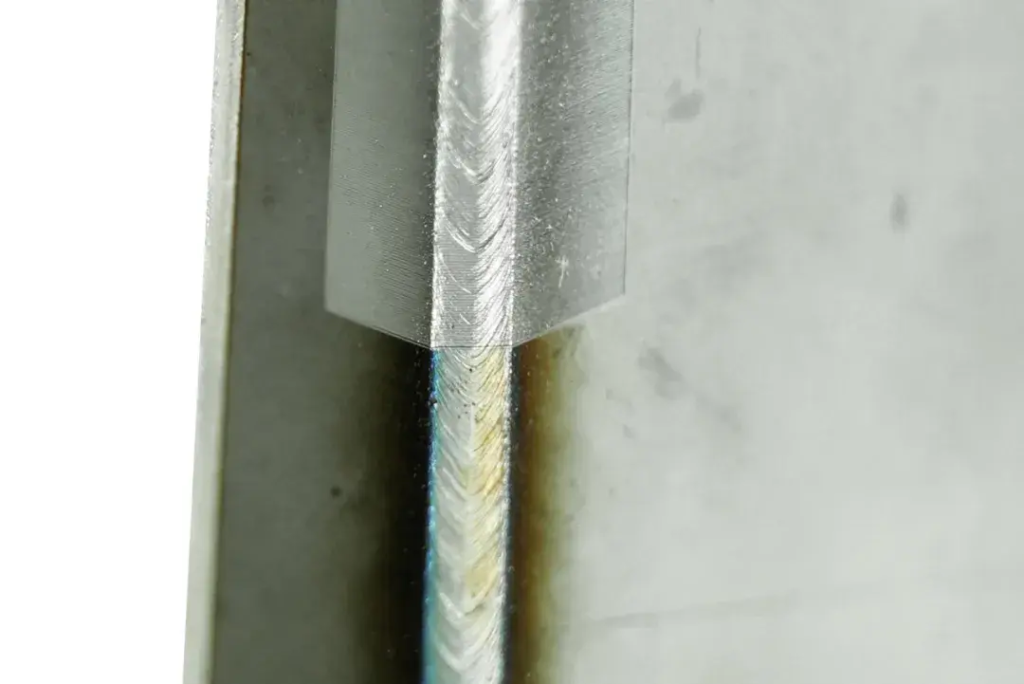
- Mold & Tool Cleaning: Efficiently strips release agents, carbon deposits, and residues from molds and dies in-situ, drastically reducing machine downtime without disassembly.

- Pre-Paint & Pre-Bonding Preparation: Creates the optimal clean surface on automotive, aerospace, and shipbuilding components for flawless coating adhesion.
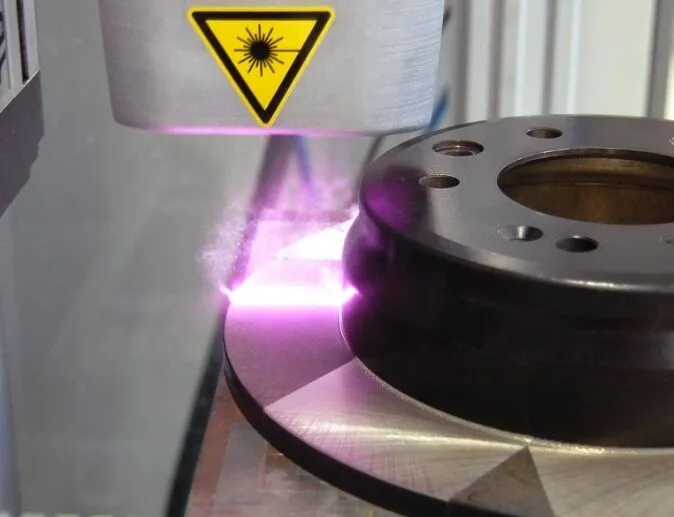
2. Restoration & Precision Sectors
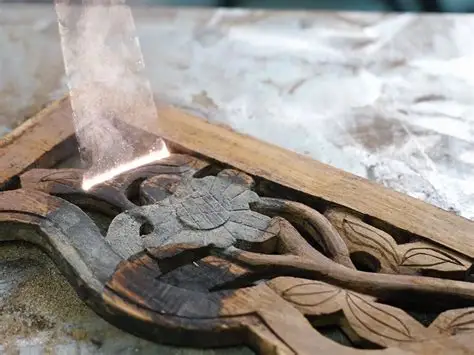
- Cultural Heritage Restoration: Gently removes corrosion, paint layers, and patina from artifacts, statues, and historical structures with meticulous control to preserve delicate substrates.
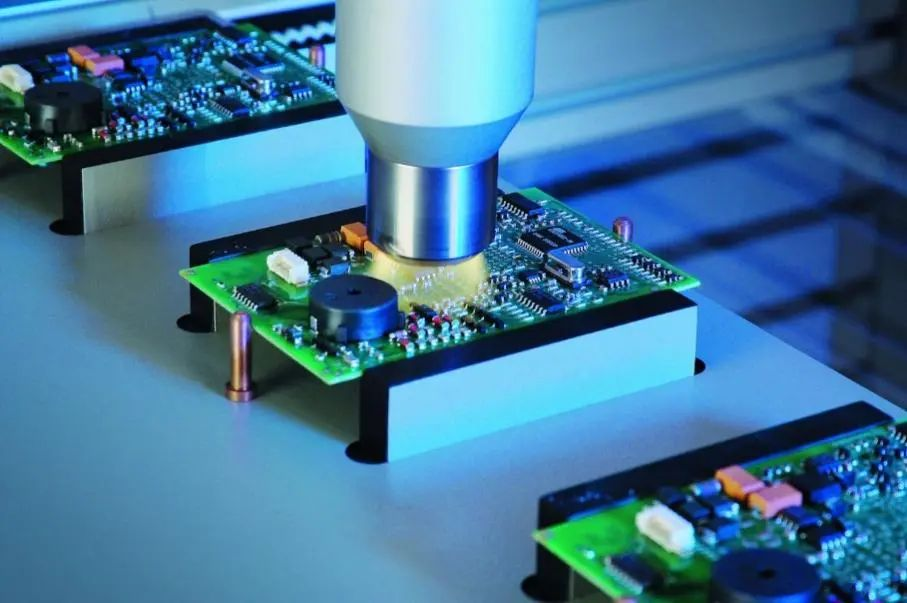
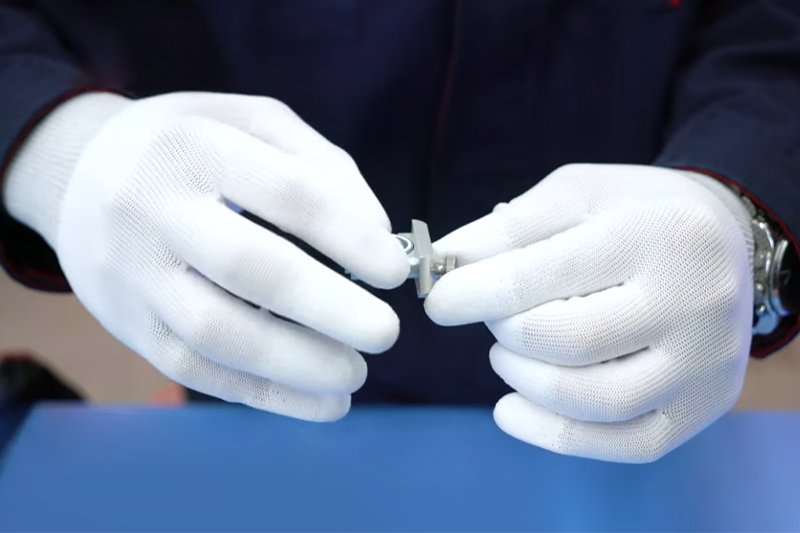
- Precision Part Cleaning: Ideal for cleaning delicate components like gears, sensors, and electrical contacts without causing mechanical or thermal stress.
IV. Choosing the Right Laser Cleaner
Selecting the optimal laser cleaning system is crucial for maximizing efficiency and return on investment. It involves considering your specific materials, contaminants, and production goals.
1. Key Selection Criteria: Power & Configuration
- 100W-200W Handheld/Benchtop Systems: Suitable for laboratories, small workshops, artifact restoration, and situations requiring extremely high cleaning precision. Used for removing light rust, oxide layers, and slight oil contamination. Offers moderate speed and flexible operation.
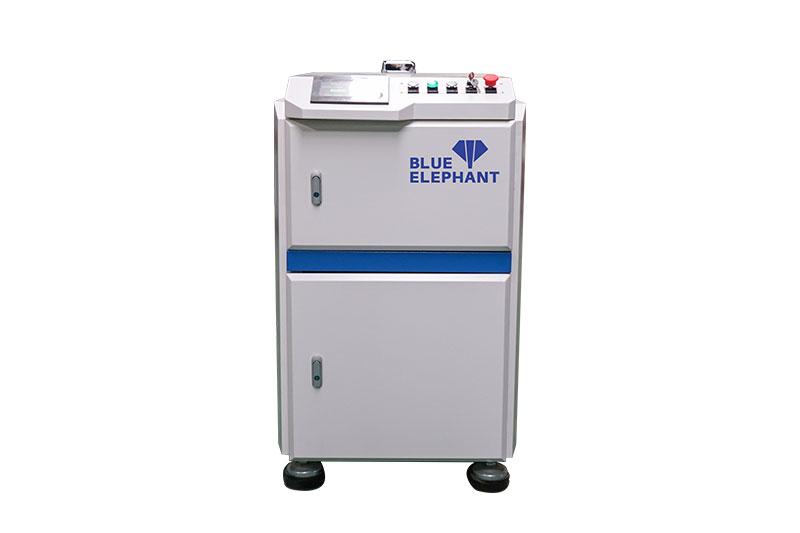
- 500W-1000W and above Mobile/Integrated Systems: Suitable for industrial workshops, used for rapidly removing heavy rust layers, dense paint, large-area weld spatter, and heat-affected zone oxides. Higher power translates to greater cleaning efficiency, meeting the demands of scaled production.
2. Safety and Support Considerations
- Built-in Safety: Ensure the system has Class 1 enclosure standards, safety interlocks, protective housing, and necessary laser safety goggles.
- Training & Service: Choose a supplier like Blue Elephant CNC that provides comprehensive operator training and reliable after-sales support to ensure smooth implementation and operation.

V. Operational Benefits and ROI
While the upfront investment for a laser cleaning system may be higher than some traditional equipment, its long-term value and Return on Investment (ROI) make it a smart purchase.
1. Direct Cost Savings Quantification
- Zero Consumables: No need to purchase blasting media, chemicals, grinding discs, scouring pads, etc.
- Sharp Reduction in Labor Costs: Cleaning efficiency increases severalfold, and no subsequent secondary cleanup (e.g., removing sand, neutralizing chemicals) is needed.
- Minimal Waste Disposal Costs: The small amount of collected solid waste is simple to dispose of, with no high environmental treatment fees.
2. Hidden Benefits & Enhanced Competitiveness
- Quality Improvement Leads to Premiums: Better welding quality and perfect coating adhesion can help you win orders with higher requirements.
- Increased Production Flexibility: One machine can handle various materials and contaminants, switch tasks quickly, and adapt to the trend of small-batch, multi-variety production.
- Green Brand Image: Adopting environmentally friendly technology aligns with ESG (Environmental, Social, and Governance) development philosophy, enhancing the corporate image of social responsibility.
3. Asset Protection & Extended Lifespan
For enterprises reliant on precision molds, heavy equipment, or long-term equipment maintenance, laser cleaning directly extends the service life of core assets by avoiding damage during the cleaning process. This protection of production tools holds long-term strategic value.
VI. Safety and Operational Considerations
Like any powerful industrial tool, operating a laser cleaner requires understanding and adhering to safety protocols to ensure a risk-free working environment.
1. Essential Safety Protocols
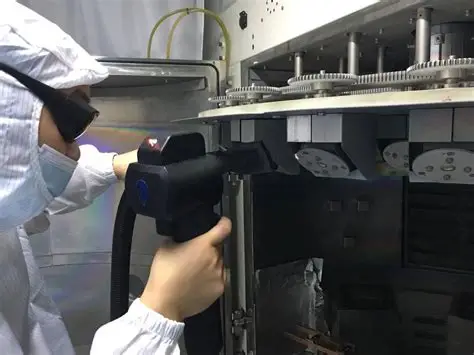
- Controlled Access: Always operate within a designated safety zone or using a fully enclosed system to prevent accidental laser exposure to personnel.
- Personal Protective Equipment (PPE): Operators must wear provided laser safety goggles specific to the laser’s wavelength.
- Fume Extraction: Always use the integrated vacuum/fume extraction system to effectively capture and filter the generated particles and gases.
2. Ensuring Optimal Performance
- Parameter Calibration: Optimal cleaning requires adjusting power, frequency, and speed settings based on the material and contaminant type. Professional training is key.
- Routine Maintenance: Regular lens cleaning, cooling system checks, and inspections as per the manufacturer’s guidelines ensure long-term reliability and consistent performance.
VII. The Future of Surface Preparation
Laser cleaning technology is continuously evolving, with advancements making it more accessible, powerful, and intelligent.
1. Emerging Technological Trends
- Smarter Systems: Integration of AI and machine vision for automatic contaminant detection, real-time parameter adjustment, and quality control, enabling fully adaptive “set-and-forget” operation.
- Increased Power & Portability: Ongoing development of more compact, energy-efficient, and higher-power laser sources, making industrial-grade cleaning accessible for smaller businesses and field service.
- Broader Material Compatibility: Research into new wavelengths and pulse formats to effectively and safely clean an even wider range of materials, including composites and delicate alloys.

2. Alignment with Sustainable Manufacturing
In an era focused on green manufacturing, laser cleaning is a cornerstone technology. It supports sustainability goals by:
- Eliminating chemical waste and reducing hazardous waste disposal.
- Lowering energy consumption compared to traditional methods over the long term.
- Promoting a circular economy by enabling the restoration and reuse of components instead of replacement.
VIII. Questions About Laser Cleaning? We’re Here!
Do you have a specific part you need to clean? Are you curious about the ideal wattage for your material or project?
Blue Elephant CNC has extensive experience not just in manufacturing, but in implementing effective laser cleaning solutions across thousands of client sites worldwide. If you have any questions about laser cleaning, power requirements, safety, or integrating a system into your existing workflow, please contact us for assistance.
Our professional pre-sales and after-sales teams provide 24/7 online support in multiple languages. Let us help you find the perfect laser cleaning solution to enhance your productivity and quality.
You May Also Like:
8 Best Laser Cleaning Machines