
After ten years in the industrial machinery world, working with Fortune 500 manufacturers, medical suppliers, and fast-growing startups—I’ve learned one essential truth:
The best laser marking machine near you isn’t defined by price or hype.
It’s the machine that delivers precision, speed, and trouble-free integration into your production line.
Whether you’re marking 50,000 aluminum parts per week or engraving custom wooden signs, your ROI depends on selecting the right laser source, configuration, and supplier support.
Below is the complete guide that I give to my U.S. and European customers before choosing their laser marking system.
I. What “Best Laser Marking Machine Near Me” Really Means
The search for the “best laser marking machine near me” often focuses on geography. However, true value lies not in proximity, but in perfect application fit and long-term support. The best machine is one that eliminates production bottlenecks, adapts to your specific materials, and operates with unwavering reliability for years to come.
Choosing a laser marker is a strategic decision. It’s about investing in a tool that enhances your production capability, ensures traceability, and protects your brand through consistent, high-quality marks. Let’s move beyond simple location-based searches and define what “best” really means for your bottom line.
1. The ROI Mindset: Cost vs. Capability
The cheapest machine can often be the most expensive. A cheap machine that burns plastic, engraves too shallow on metal, or runs too slow will cost far more in downtime, scrap, and customer dissatisfaction.
True ROI is calculated through uptime, throughput, mark quality, and the total cost of ownership over the machine’s lifespan.
2. The Real Value: Matching Machine Capability to Production Demand
A machine’s performance is relative to your environment.
As a Sales Manager, When clients ask what laser they should buy, my first question is always: “What material are you marking, and how fast do you need it done?”
A high-speed fiber laser is perfect for an automotive parts line but would be a poor choice for a shop engraving wooden gifts. Understanding your daily production volume, part size, material mix, and required mark permanence is the first and most critical step in the selection process.Skipping this step results in expensive bottlenecks, poor contrast marks, or damaged parts.
Watch the following video to learn more about laser marking machine:
3. The Partner Principle: Support Beyond the Sale
The “best” machine comes from a supplier that acts as a partner. This means access to technical support, readily available spare parts, comprehensive training, and application engineering assistance. A local supplier is convenient, but a knowledgeable and responsive partner is indispensable.
II. Critical Components That Define Performance & ROI
Understanding the key components of a laser marking system is essential for making an informed purchase. The synergy between these parts dictates the machine’s performance, reliability, and ultimately, its value to your operation.
Every laser marker is built around three core components: the source, the head, and the brain. Compromising on any one of these can undermine the entire system’s capabilities. We break down each component to show you where quality truly matters.
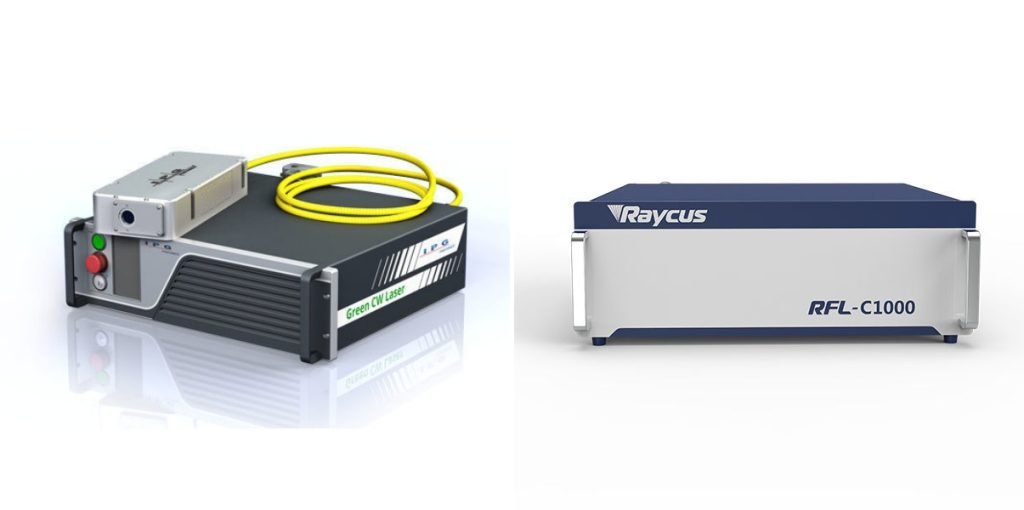
1. Laser Source: The Heart of the Machine
The laser generator is the engine. Its type and quality determine the materials you can mark and the system’s operational lifespan.
- Wavelength: Defines material interaction (e.g., 1064nm for metals, 10.6μm for organics).
- Power & Stability: Affects marking speed and depth. A stable, high-quality source ensures consistent mark quality over 100,000 hours.
- Value Proposition: Opting for systems with reputable sources (like IPG or Raycus) minimizes downtime and protects your long-term investment.
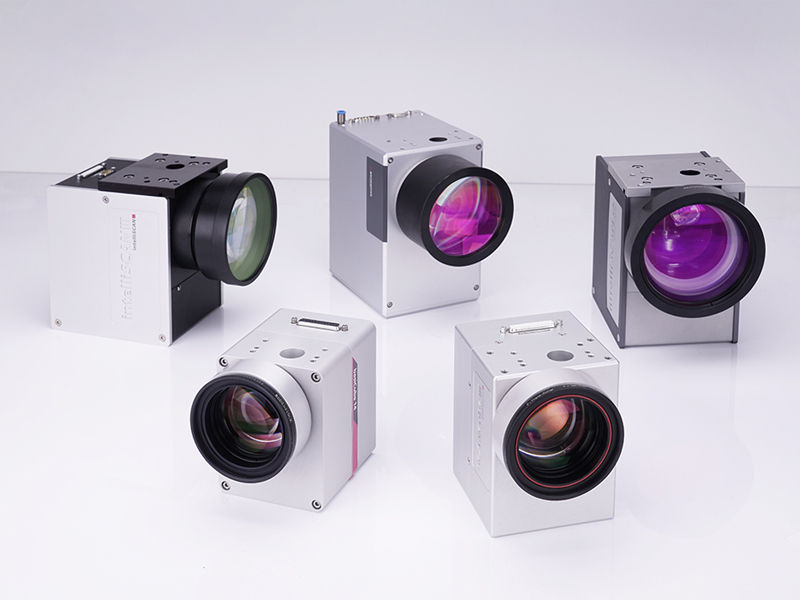
2. The Galvanometer (Galvo) Head: The Speed and Precision Engine
The galvo head directs the laser beam with incredible speed and accuracy. It is the key to high throughput and fine detail.
- Scan Speed: Measured in inches per second, this directly impacts how quickly a mark is completed.
- Spot Size & Precision: A finer spot size allows for higher-resolution marks, such as micro-QR codes or intricate graphics.
- Value Proposition: A high-performance galvo ensures your laser marker never becomes the bottleneck in your production line.
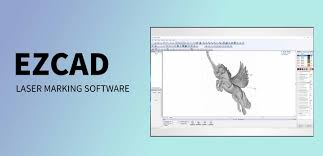
3. The Control System: The Command Center
This is the software and computer that operates the machine. An intuitive and stable control system is vital for operator efficiency.
- User Interface (UI): Reliable, industry-standard software, such as EzCad, is easy to learn and allows for quick design import and job setup.
- Connectivity & Integration: Features like Ethernet connectivity allow for seamless integration into a networked factory environment (Industry 4.0).
- Value Proposition: A reliable control system reduces training time and prevents costly software-related stoppages.
III. Matching Materials to The Right Laser Technology
Selecting the wrong laser type for your material is the most common and costly error. Each laser technology interacts with matter differently. The right match ensures a perfect, clean mark; the wrong one can lead to damage, poor contrast, or complete failure.
There is no universal “best” laser. The best laser is the one specifically suited to your primary materials.
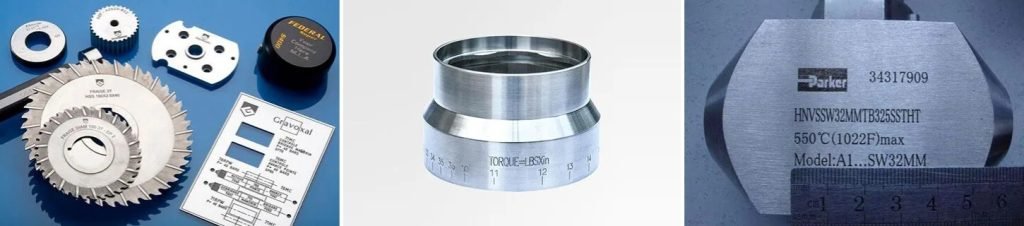
1. Fiber Lasers: The Industrial Workhorse for Metals
It can be mainly used to mark stainless steel, aluminum, carbon steel, and many other metal materials, as well as hard plastics..
- Wavelength: 1064nm (Near-Infrared)
- Key Applications: Auto parts suppliers, firearms manufacturers, and jewelry makers who require deep, durable, and high-contrast marks on metal substrates.
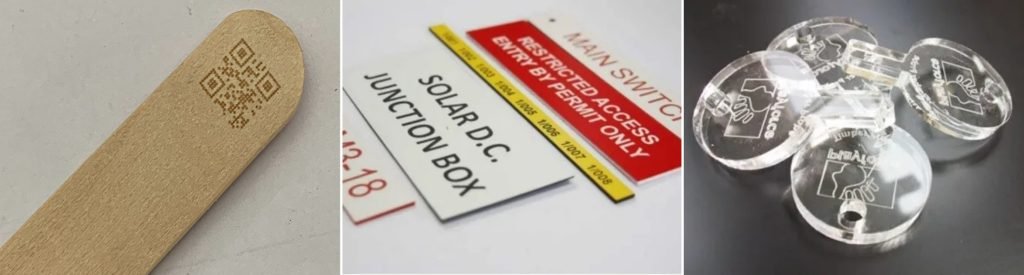
2. CO2 Lasers: The Master of Non-Metals
It can engrave and cut a variety of non-metallic materials, such as wood, paper, acrylic, leather, glass.
- Wavelength: 10.6μm (Far-Infrared)
- Key Applications: It is the go-to technology for sign-making, gift personalization, packaging prototyping, leather goods, architectural models and craft industries.
3. UV Lasers: The Cold Marking Specialist
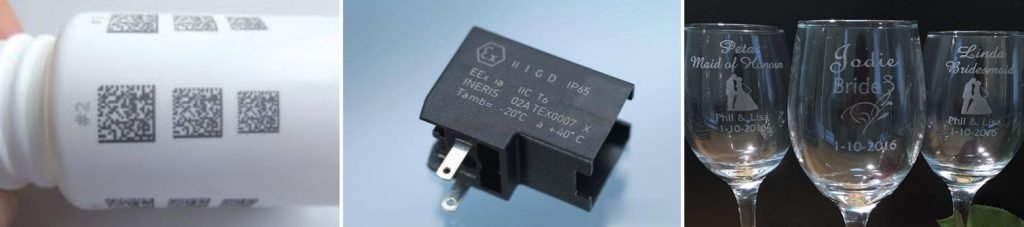
It is suitable for “cold marking” heat-sensitive materials without thermal damage.
- Wavelength: 355nm (Ultraviolet)
- Key Applications: Delicate plastics (ABS, PET), medical devices, pharmaceutical packaging, silicon wafers, and glass. The UV light causes a photochemical reaction rather than heat ablation, preventing burning or melting.
IV. Value-Added Functions for Your Competitive Edge
Modern laser systems offer more than just surface marking. These advanced functions can solve complex manufacturing challenges and open up new opportunities for product differentiation and value-added services.
To stay competitive, manufacturers need capabilities that go beyond simple identification. Advanced laser functions provide solutions for extreme durability, aesthetic requirements, and integrated production lines.
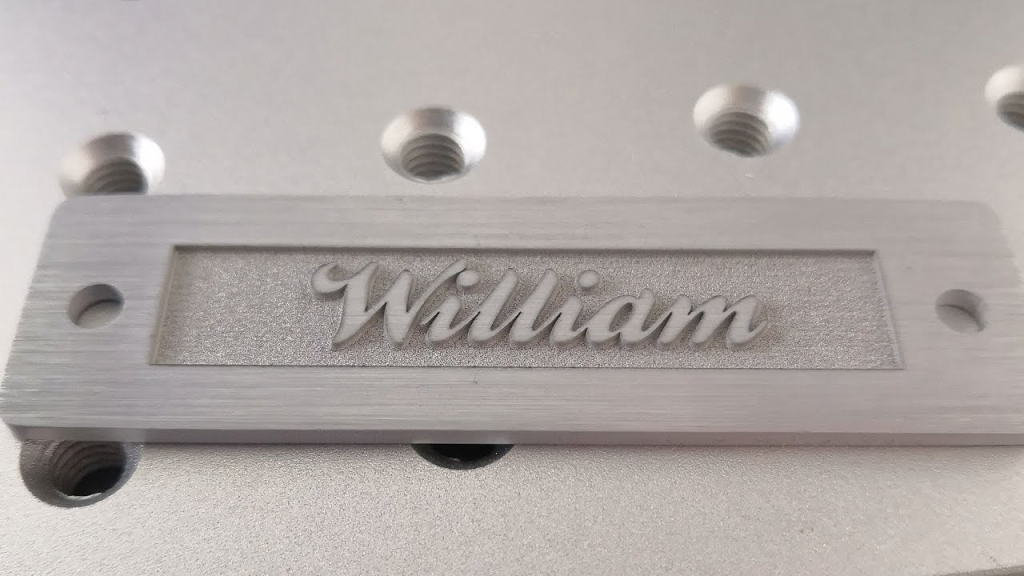
1. Deep Engraving (Material Removal)
This process involves removing significant material to create a tactile, recessed mark. It is essential for parts that will endure harsh environments, such as extreme wear, sandblasting, or chemical exposure. Applications include industrial nameplates, molds, and military components.
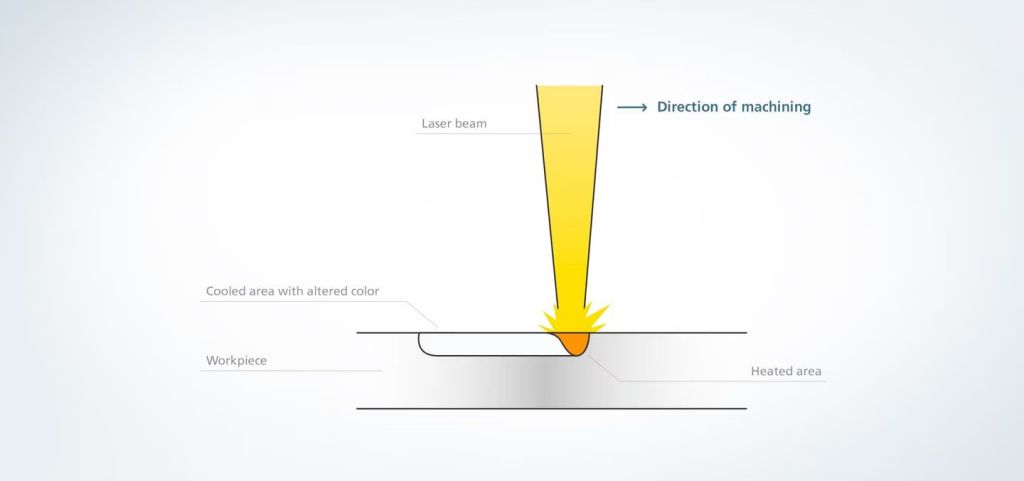
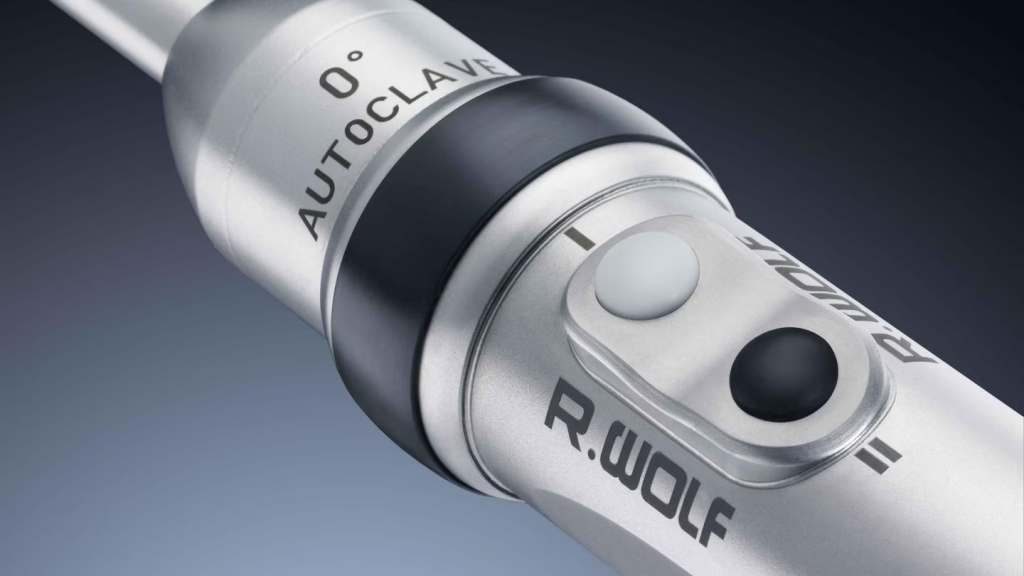
2. Laser Annealing (Color Change)
Primarily used on stainless steel and other alloys, annealing uses heat to create an oxide layer under the surface, changing the material’s color (often a dark black) without removing any material. This is critical for medical implants and food-grade equipment where a perfectly smooth, unbroken surface is mandatory.
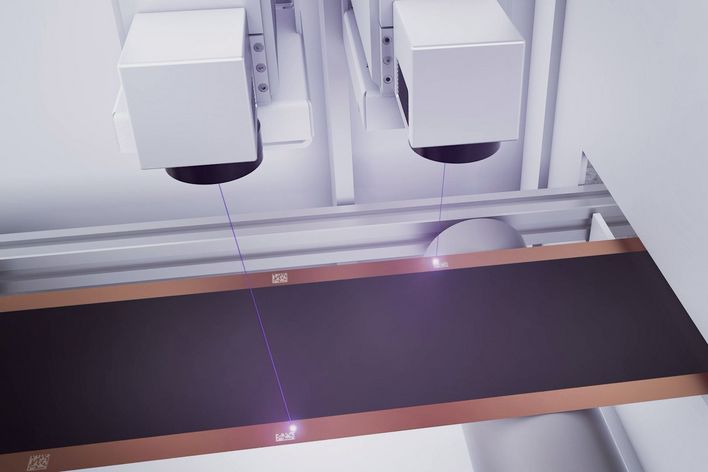
3. Dynamic Marking
Also known as “on-the-fly” marking, this function allows the laser to mark parts that are moving on a conveyor belt. Synchronized with an encoder, the laser head adjusts in real-time to place a perfectly formed mark on every passing object, enabling seamless integration into automated assembly and packaging lines.
V. Blue Elephant’s Top 3 Laser Markers (Best Options Near You)
Based on the highest demand and best performance for our American and European clients, here are three of the most effective laser marking machines we offer. Each is designed to maximize your investment based on your specific application.
| Model Type | Primary Focus | Key Advantages | Suitable Customer Profile |
| 1. High-Speed Desktop Fiber Laser Marker (e.g., ELECNC-20W/30W) | Permanent Metal Marking & Traceability | Extremely fast marking speed; high-precision, deep engraving capability; maintenance-free 100,000-hour source. Comes standard with a rotary axis option for cylindrical objects. | Jewelry, Tooling, Automotive, & Electronics: Small to medium businesses needing fast, permanent marks (serial numbers, logos, barcodes) on metal parts and hard plastics. |
| 2. CO2 Galvo Laser Marker (e.g., ELECNC-30W CO2) | High-Speed Non-Metal Engraving & Marking | Excellent mark contrast and high-speed processing on organic materials; works on wood, leather, acrylic, paper, and glass. Lower initial investment than a Fiber Laser. | Gift & Craft Customization, Leather Goods, Packaging, & Signage: Businesses that need rapid, high-volume personalization and intricate designs on non-metallic items. |
| 3. Industrial UV Laser Marking System (e.g., ELECNC-3W/5W UV) | Sensitive Plastic & Glass Marking | Uses “cold processing” to mark materials without generating heat, eliminating burning or melting on sensitive substrates. Produces a very fine, detailed spot size. | Medical Devices, Food Packaging, Wires/Cables, & High-End Electronics: Customers requiring the absolute highest precision on delicate materials (e.g., glass vials, silicon chips, white plastic parts). |
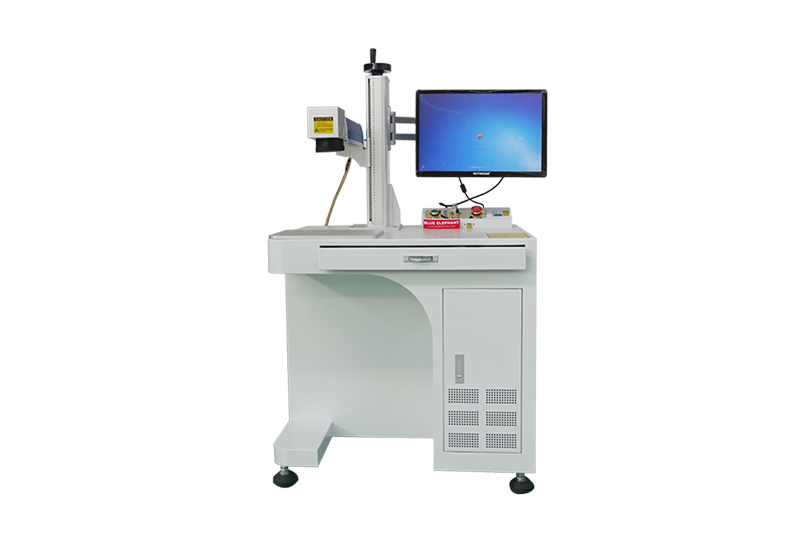
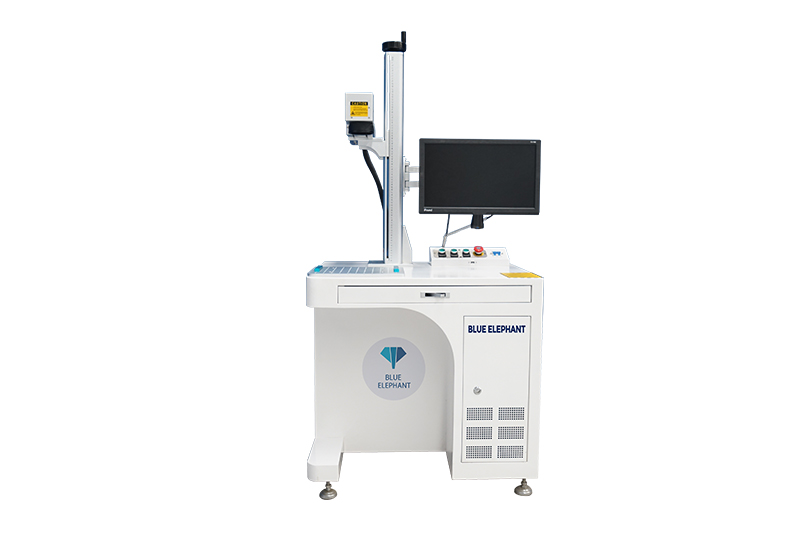
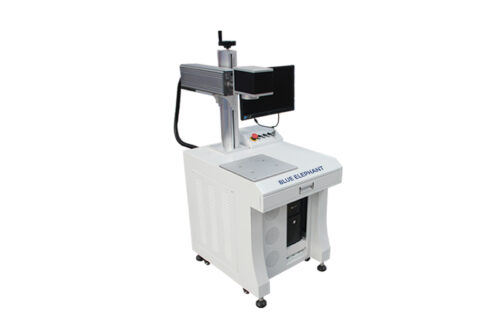
Each of the solutions above is designed to deliver maximum value for a specific application scenario. But how can you be sure it’s the right choice for your production line? Please use the detailed selection list below as your decision-making tool to objectively verify whether our machines meet all your requirements.
VI. The Selection Checklist: Your Path to the Perfect Machine
Making the final decision requires a structured approach. Use this checklist to evaluate your needs and potential suppliers to ensure you make a choice you can be confident in for years to come.
1. Define Your Application Requirements
- Material(s): List all materials you need to mark, now and in the foreseeable future.
- Mark Specifications: Detail the required mark type (engraving, annealing, etching), size, depth, and contrast.
- Production Speed: Calculate your required parts-per-hour or cycle time to meet production goals.
2. Evaluate the Supplier’s Technical Support
- Warranty & Service: What is covered and for how long? What is the process for technical support?
- Spare Parts Availability: Are common spare parts (like lenses and mirrors) readily available?
- Application Support: Can the supplier provide sample marking on your actual parts?
3. Plan for Integration and Training
- Footprint & Utilities: Does the machine fit in your available space? What are the power and air requirements?
- Software Training: Is comprehensive software training included for your operators?
- Future-Proofing: Does the system have the capability to integrate with automation (e.g., conveyor systems, robotic load/unload) if needed in the future?
Ⅶ. Your Next Step: From Research to Production
The journey to finding the ideal laser marking machine culminates in action. Endless research leads to paralysis by analysis. In a competitive market, you need a partner, not just a vendor.
Blue Elephant CNC offers the perfect balance of reasonable pricing, high quality components, and a machine selection that ensures you won’t overspend or under-buy. We deliver the dependable, cost-effective technology your shop needs to succeed.
Ready to stamp your products with permanent, high-definition marks?
⚡ CONTACT BLUE ELEPHANT CNC TODAY! Our laser experts are ready to match your material and production goals with the ideal laser marking solution. Let’s ensure your investment delivers maximum value from day one.
More information about laser marking machines: